

Fence installers in Texas work at the intersection of power tools, property lines, and fast changing weather, which means one mistake or one storm can turn a simple job into an expensive problem. A single project can involve digging near utilities, moving heavy posts, and working on high value residential property, so the financial stakes add up quickly. When something goes wrong, the right insurance coverage often decides whether the setback is manageable or business ending.
Homeowners in Austin already invest thousands of dollars into new fences, with average projects around 3,517 dollars and most jobs falling into a range between 2,102 and 4,994 dollars, according to cost data reported for the city of Austin on Angi. When that kind of money is on the line, clients expect installers to carry proper insurance to protect the work, their property, and anyone who might get hurt.
This guide walks through the main types of insurance Texas fence installers typically need, how different policies fit together, and what affects the cost. It also looks at how homeowners insurance treats fences in Texas, where the gaps usually appear, and how installers can reduce risk to keep premiums as manageable as possible.
Why Insurance Matters For Texas Fence Installers
Texas is known for intense weather, wide temperature swings, and severe storms that can hit job sites without much warning. Those conditions are not only tough on materials, they also increase the chance of property damage and injuries on or around a fence project. That reality shows up clearly in the broader insurance market. Between 2006 and 2011, close to 57 percent of homeowners insurance payments in Texas went to catastrophic claims, according to a study of the state market by the Texas Public Policy Foundation.
Catastrophic losses at that scale signal that storms, hail, and other severe events are not rare outliers. They are built into how insurers view risk in the state, and that affects how fence installers are underwritten as well. When severe weather rips through a neighborhood, poorly secured materials can become projectiles, temporary fencing can fail, or partially completed work can be blamed for damage to nearby property.
At the same time, fence installers frequently work in tight residential spaces, often inches from air conditioning units, sprinkler systems, pools, or vehicles parked along the curb. A single post hole drilled in the wrong spot can hit a buried line or crack a foundation slab. Without liability coverage, those errors come straight out of the installer’s cash flow or personal assets.

Core Insurance Policies Fence Installers Need
Fence installation businesses rarely rely on just one policy. Instead, they build a small portfolio of coverages that protect against different risks, from on site injuries to damage to tools and in progress projects. The exact mix depends on whether the installer works solo or runs multiple crews, the types of fences offered, and whether the company takes on commercial or only residential work.
General Liability Insurance
General liability coverage is usually the starting point for a fence installer. It is designed to respond when a third party, typically a client or member of the public, claims bodily injury or property damage because of the installer’s work. If a section of fence falls and injures someone, or a crew accidentally backs equipment into a client’s vehicle, this policy is what typically comes into play.
For fence installers, this coverage is also important for completed operations. That is the risk that a fence fails after the job is finished, for example if a gate collapses onto a driveway or improperly secured panels blow into a neighbor’s yard. Many commercial and municipal clients will not sign a contract until they see proof of general liability insurance naming them as an additional insured.
Commercial Auto Insurance
Fence work is mobile by nature. Crews haul posts, panels, concrete, and augers from job to job, usually in pickups, flatbeds, or trailers. Personal auto policies typically do not cover vehicles used primarily for business, especially when they carry heavy equipment or materials. Commercial auto insurance fills this gap.
These policies can help with liability if a crew member causes a crash while driving to a job, and with physical damage to the business vehicles themselves if the optional coverage is added. Given the size and weight of loaded trailers, collisions can cause significant damage, which is why insurers look closely at driving records, vehicle maintenance, and how far trucks travel each day.
Workers Compensation Insurance
Fence installation is physically demanding. It involves digging, lifting heavy posts, cutting materials, and sometimes working on uneven or unstable ground. That mix creates a real chance of strains, falls, and tool related injuries. Workers compensation insurance is the coverage that helps pay for medical care and a portion of lost wages when employees get hurt on the job.
Even when state law allows some small businesses to opt out, many hiring parties expect fence contractors to carry this protection. It reduces the likelihood of disputes or lawsuits after an injury, and it gives employees a more predictable path to recovery. From an operational standpoint, it can also help a growing fence company attract and retain experienced crew members who want safer and more stable work.
Contractor’s Tools and Equipment Coverage
Post hole diggers, augers, nail guns, mixers, and saws are the backbone of a fence installer’s productivity. Losing a trailer full of tools to theft or a fire can shut down operations for days or weeks. Standard property insurance often focuses on a fixed location, like an office or yard, and may not adequately cover items that travel from site to site.
Contractor’s tools and equipment coverage, sometimes written as inland marine, is built for mobile gear. It can protect owned tools and sometimes rented equipment while they are on a job site, in transit, or stored in a vehicle. For fence installers who often work in developing areas without secure parking, this coverage can mean the difference between a painful setback and a complete stoppage.
Builders Risk Insurance
When a fence project is part of a larger build, such as a new home, a subdivision, or a commercial site, builders risk coverage often enters the picture. Builders risk is a type of property insurance that covers buildings and related improvements while they are under construction. In Texas, this coverage typically costs between 1 and 3 percent of the total construction budget, which means a project budgeted at 1 million dollars might see an annual builders risk premium in the 10,000 to 30,000 dollar range according to one Texas insurance agency.
Fence installers may be named as insureds under a general contractor’s builders risk policy, or asked to carry their own when they act as the prime contractor on a larger site improvement job. This coverage is focused on property, not liability, so it helps protect materials and partially completed work against certain causes of loss like fire or theft while construction is still underway.
Professional Liability or Errors and Omissions
Some fence companies help clients with design, material selection, or code interpretation. When that advice turns out to be flawed, clients may claim financial loss even if there is no direct physical damage. That is where professional liability coverage, often called errors and omissions, can be useful.
For example, if an installer recommends a fence style that does not actually comply with a homeowners association rule, leading to fines or forced replacement, the dispute may be about financial harm rather than a broken fence post. While not every fence installer needs this coverage, those who provide more design heavy or consultative services should discuss it with a knowledgeable insurance advisor.
How Much Does Coverage Typically Cost in Texas?
Insurers look at several factors when pricing fence installer coverage, including payroll, annual revenue, claims history, the types of fences installed, and whether the work is mostly residential or heavily commercial. Geographic location also matters, because some parts of Texas see more hail, wind, or wildfire activity than others.
Statewide, insurance in general reflects higher catastrophe exposure than many other regions. For example, the average annual homeowners insurance premium in Texas in 2024 was reported at 3,291 dollars, a figure that helps illustrate how weather risk and claim costs affect pricing in the state according to the Texas Department of Insurance. While business insurance is rated differently, the same risk environment influences how underwriters price policies for contractors, including fence installers.
For projects that require builders risk coverage, Texas contractors can expect that policy to be calculated as a slice of the construction budget. Typical pricing falls around 1 to 3 percent of the total construction cost, so on a project with a budget of 1 million dollars, that might translate to an annual builders risk premium in the range of 10,000 to 30,000 dollars
based on guidance from a Texas based agency. Fence installers who only perform smaller projects may see proportionally smaller builders risk costs, especially when covered under a general contractor’s master policy.
| Coverage Type | What It Protects | Key Cost Drivers |
|---|---|---|
| General Liability | Third party bodily injury and property damage, including completed work claims | Type of projects, annual revenue, claims history, safety practices |
| Commercial Auto | Liability and optional physical damage for business vehicles and trailers | Vehicle types, driving records, mileage, garaging location |
| Workers Compensation | Employee medical bills and partial wages after job related injuries | Payroll, job duties, prior injuries, safety training and equipment |
| Tools and Equipment | Mobile tools and machinery used on fence projects | Total equipment values, theft controls, storage habits, job site security |
| Builders Risk | In progress construction work and materials | Total project budget, location, construction type, protective measures |
General liability, commercial auto, and workers compensation premiums can vary widely from one fence business to another. A company that installs simple residential wood fences in one county with clean loss history will usually pay less than a firm that handles high security commercial fences, automated gates, and large crews across multiple regions. Underwriters often dig into details like how trenches are marked, whether locates are called in before digging, and how often crews receive safety training.
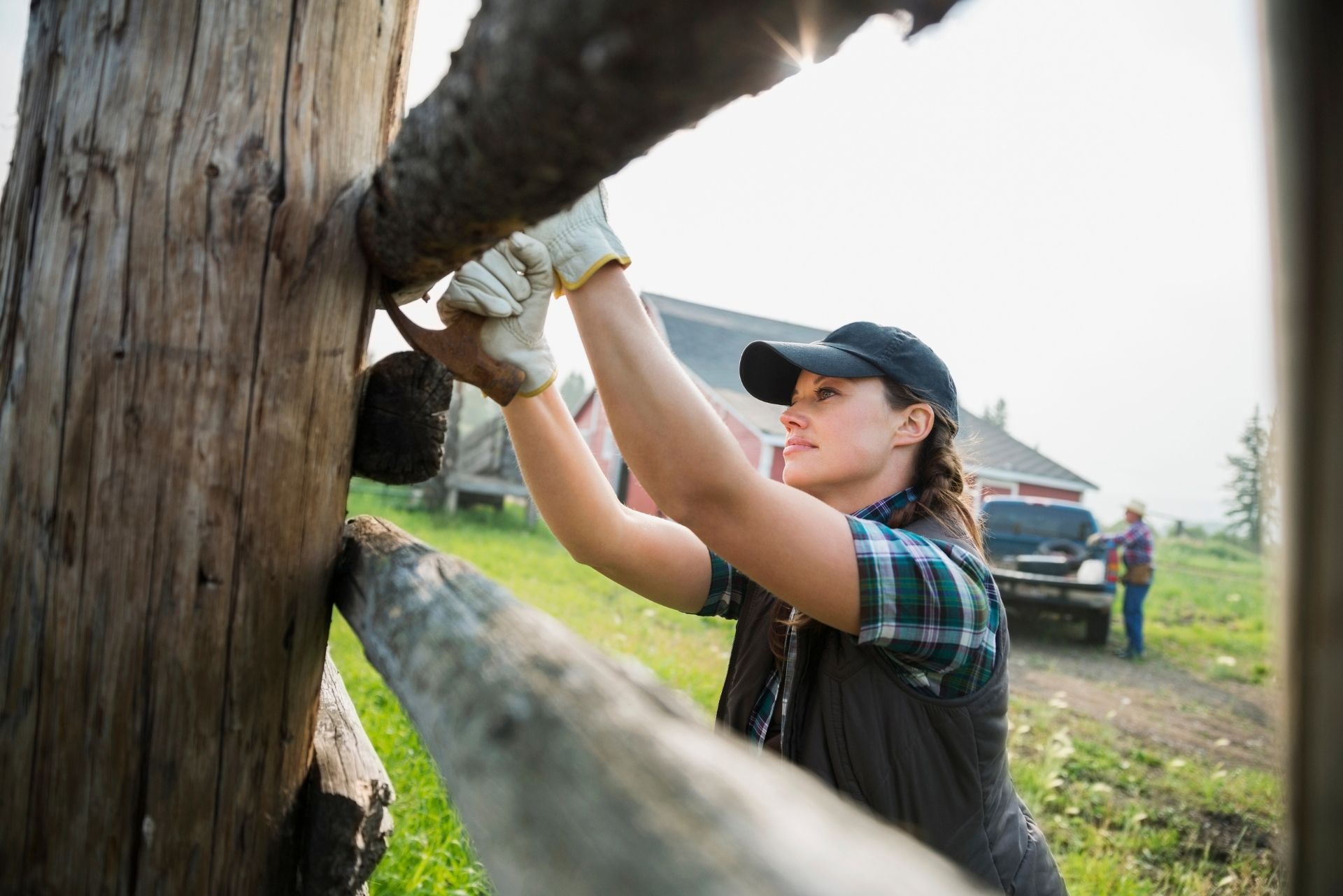
Fences, Homeowners Insurance, and Liability Gaps
Fence installers in Texas regularly interact with homeowners insurance, even if indirectly. When a storm knocks down a fence or a tree falls across a property line, clients often file a homeowners claim before they ever call an installer. That backdrop shapes how customers view responsibility when something goes wrong with a new fence as well.
Historically, Texas homeowners have paid higher rates than the national average. As of November 2013, homeowners in the state were paying an average insurance rate of 1,070 dollars, which was about 28 percent higher than the national average of 846 dollars at the time according to a policy paper reviewing the Texas homeowners market. That history, combined with more recent premium levels, has made many Texans acutely aware of what is and is not covered, including exterior structures like fences.
Coverage for fences under homeowners insurance is often more limited than clients expect. Many policies treat fences as other structures and only cover them at actual cash value, which means the replacement cost is reduced for depreciation as the fence ages, and some policies do not cover fence damage caused by wind at all
according to guidance published by the State Bar of Texas. When a homeowner learns this after a storm, frustration can spill over onto the installer, especially if they believe the fence was not built robustly enough.
Managing Risk On The Job To Keep Premiums Down
Insurance cost is highly sensitive to claim activity. For fence installers, that means strong safety and risk management can directly influence long term premiums. Insurers typically reward contractors who demonstrate fewer losses and better controls, and they may be more willing to negotiate terms for accounts that show proactive risk reduction.
Job site habits make a noticeable difference. Using spotters when backing trailers, securing materials during high wind forecasts, and clearly marking open holes and trenches reduces the chance of accidents that turn into liability claims. Good documentation helps as well. Keeping written records of locate requests, client approvals, and change orders can be invaluable if a dispute arises months after a project ends.
Training is another quiet but powerful tool. When crew members understand how to handle materials safely, tie down loads, and communicate with homeowners about potential hazards, many minor problems never become insurance issues. Some fence companies also adopt simple checklists to confirm that gates latch properly, posts are set to agreed depths, and debris is fully removed before leaving a site.
- Walk each job site at the start and end of the day to spot new hazards.
- Store tools and materials in secure locations to reduce theft and vandalism.
- Maintain vehicles and trailers on a regular schedule to prevent breakdown related accidents.
- Review incident reports with crews to learn from near misses and small claims.
How To Shop For Fence Installer Insurance In Texas
Finding the right mix of policies begins with a candid look at the business. A solo installer working part time on residential wood fences needs a different program than a company with multiple crews installing chain link, iron, and automated gates around commercial properties. Before requesting quotes, it helps to outline typical projects, annual revenue, payroll, and any recent claims.
Working with an insurance professional who understands construction trades can also save time. Brokers or agents familiar with contractor markets usually know which insurers are comfortable with fence work and where pricing is most competitive for different types of risk. They can also help structure policies so that names, additional insured endorsements, and certificate language meet the requirements of general contractors and municipal clients.
When comparing proposals, it is important to look beyond price alone. Limits, deductibles, exclusions, and subcontractor requirements can vary a great deal between policies. For fence installers, special attention should be paid to any exclusions for residential work, subsidence, or damage to underground property, since those are areas of frequent dispute in this line of work.
Frequently Asked Questions About Texas Fence Installer Insurance
Fence installers often hear the same insurance questions from crew members, partners, and clients. Addressing these common concerns upfront can reduce misunderstandings and help everyone involved understand where responsibility starts and ends.
Is general liability insurance really necessary for a small fence installer?
Even a single person operation can face a large claim if a client or neighbor is injured, or if property is damaged during an installation. General liability coverage is often required by landlords, general contractors, and many homeowners associations before work begins.
Does homeowners insurance cover damage caused by a fence installer?
Homeowners insurance may respond if a covered peril, such as a storm, damages the property, but damage caused directly by contractor negligence is often pursued against the installer instead. That is one reason liability insurance is so important for fence companies working on residential properties.
Are my tools covered by my general liability policy?
General liability is focused on damage you cause to others, not on loss of your own tools. To protect equipment against theft, fire, or certain other causes of loss, installers typically need a separate tools and equipment or inland marine policy.
Do I need workers compensation if my crews are classified as subcontractors?
Classifying workers as subcontractors does not automatically remove the need for workers compensation coverage. Job sites, general contractors, or state rules may still require proof of coverage, and disputes over worker status often arise after an injury.
How often should I review my fence installer insurance program?
Insurance needs tend to change as a fence business grows, takes on new types of projects, or adds vehicles and employees. Reviewing coverage annually, and after major changes in operations, helps keep limits and policies aligned with current exposures.
Key Takeaways For Texas Fence Installers
Texas fence installers operate in a state where storms and other catastrophic events play an outsized role in claim activity, and where insurance pricing reflects that heightened risk. At the same time, the homeowners insurance market in Texas is broad and competitive, with nearly 160 companies writing policies in the state and more than 8,133,000 active homeowners policies reported in 2024 according to the Texas Department of Insurance. That mix of high exposure and active competition makes it especially important for fence installers to understand how their coverage fits into the broader insurance landscape.
A solid insurance program for a fence installer typically includes general liability, commercial auto, and some form of workers compensation, backed up by tools and equipment coverage and builders risk when projects call for it. Thoughtful risk management on job sites, from safety training to documentation, supports those policies and helps keep insurer relationships strong.
By taking time to understand available coverages, asking pointed questions when shopping policies, and staying current on how homeowners insurance treats fences in Texas, installers can protect both their clients and their own businesses. That preparation allows them to focus on building strong, long lasting fences, rather than worrying about what might happen when something goes wrong.

About The Author: Mark Braly
As President & CEO of Braly Insurance Group, I’ve built my agency since 1997 on the promise of protecting what matters most for families and businesses across Texas.
With a finance degree from Oklahoma State University and nearly three decades in the industry, I lead a team that offers tailored, local insurance solutions—whether it’s specialized commercial coverage or personal protection.
Outside the office, you’ll find me on the golf course or playing piano, always energized by time with my family and my commitment to giving back through organizations like CASA McKinney.
Testimonials
Real Insurance Clients with Honest Reviews
Braly agency was very honest and professional to work with. They have many resources to choose from and are a full service Insurance Agency. I highly recommend! Caden provided excellent and knowledgeable service throughout the process.


Louis G.
Insurance Client
I have been with the Braly Group for years. Their attentiveness gratitude and all around a good group to take care of your insurance and others needs.
Thanks for being amazing,
Jeff D.
Insurance Client
I have been with the Braly Insurance Group for over 10 years! Absolute professionals who definitely take care of you personally. I trust the Braly Group to give me the best product and price for my insurance needs!
Doug F.
Insurance Client
Everyone at Braly Insurance is always friendly & helpful. Whether you need to file a claim or make changes to your policy they are there to help with whatever you need.
Terry B.
Insurance Client
Business Insurance
Commercial Insurance Policies
General Liability Insurance
Comprehensive protection against lawsuits and other common business risks.
Workers Comp Insurance
Coverage for medical expenses and lost wages due to workplace injuries.
Commercial Property Insurance
Protect your business property from damage, theft, and natural disasters.
Commercial Auto Insurance
Insurance for vehicles used in your business operations, covering accidents and damages.
Professional Liability Insurance
Protection against claims of negligence, errors, and omissions in your professional services.
Industry-Specific Insurance
Businesses We Serve
Plumber Insurance
Electrician Insurance
Hotel Insurance

Software Insurance

Restaurant Insurance

Manufacturer Insurance

FAQs
Frequently Asked Question About Braly Insurance Group
What's the difference between an independent insurance agent and a captive agent?
Independent insurance agents, like those at Braly Insurance Group, offer a wide range of insurance products from multiple companies, allowing them to compare policies and find the best fit for your needs. Captive agents are tied to a single insurance company and can only offer products from that provider. Choosing an independent agent in Texas provides access to a broader selection of options, ensuring a more personalized and cost-effective insurance solution.
Why should I choose an independent insurance agent in Texas?
Opting for an independent insurance agent in Texas means receiving personalized, unbiased advice across a wide spectrum of insurance options. Independent agents source policies from multiple companies, tailoring coverage to your specific needs, often at more competitive prices. They possess a thorough understanding of local insurance requirements and risks, ensuring your coverage is both comprehensive and relevant to Texas.
What are the typical insurance types offered by independent agents in Texas?
Independent agents in Texas typically provide a broad range of insurance types, including homeowners, auto, life, and umbrella policies, as well as specialized coverage like motorcycle and condo insurance. They offer customized solutions for various situations, ensuring you have access to policies that match your specific needs, whether you're protecting your family, home, vehicle, or personal assets.
What's the cost to collaborate with an independent insurance agent in Texas?
Engaging with an independent insurance agent in Texas usually doesn't involve any direct costs or fees for their advisory services. Agents earn commissions from the insurance companies for the policies they sell, allowing you to benefit from their expertise and personalized service without incurring additional expenses. Their objective is to secure the best coverage for you at the most competitive rates, aligning with your financial and insurance needs.
Why should I partner with a local independent insurance agent?
Partnering with a local independent insurance agent offers numerous advantages. They have a profound understanding of Texas' unique insurance needs and challenges, providing advice and solutions tailored to the local context. Local agents are readily available for face-to-face meetings, offering a level of personalized service that larger, non-local agencies can't match. Their commitment to the community means they're dedicated to finding the best insurance solutions for their neighbors, adding a personal touch to their professional services.
Personal Insurance options
Our Complete Range of Personal Insurance Solutions

Home Insurance
Protect your home with comprehensive coverage tailored to your needs. Secure your peace of mind today.
01
Car Insurance
Drive confidently with our customizable auto insurance plans designed for every driver and vehicle.
02


Boat Insurance
Enjoy your time on the water with our reliable boat insurance, covering damages and liabilities.
04


RECENT POSTS
Get the Latest Updates



Contact Us