Texas Pressure Washing and Soft Wash Insurance

See How We're Different
or call us: (855) 359-9324
A misplaced wand on a stucco wall, a blown window seal, or chemical streaks on a brand new roof can erase the profit from an entire week of pressure washing jobs. In Texas, where homeowners are already dealing with steep insurance bills after average
home insurance premiums jumped about 21.1 percent in 2023, with typical costs reaching 2,803 dollars, even a small claim can turn into a tense conversation with a client and their insurer
according to data from the Texas Department of Insurance. That is exactly why solid insurance protection has become a core part of running any pressure washing or soft wash business in the state.
Why Texas pressure washing businesses need strong insurance
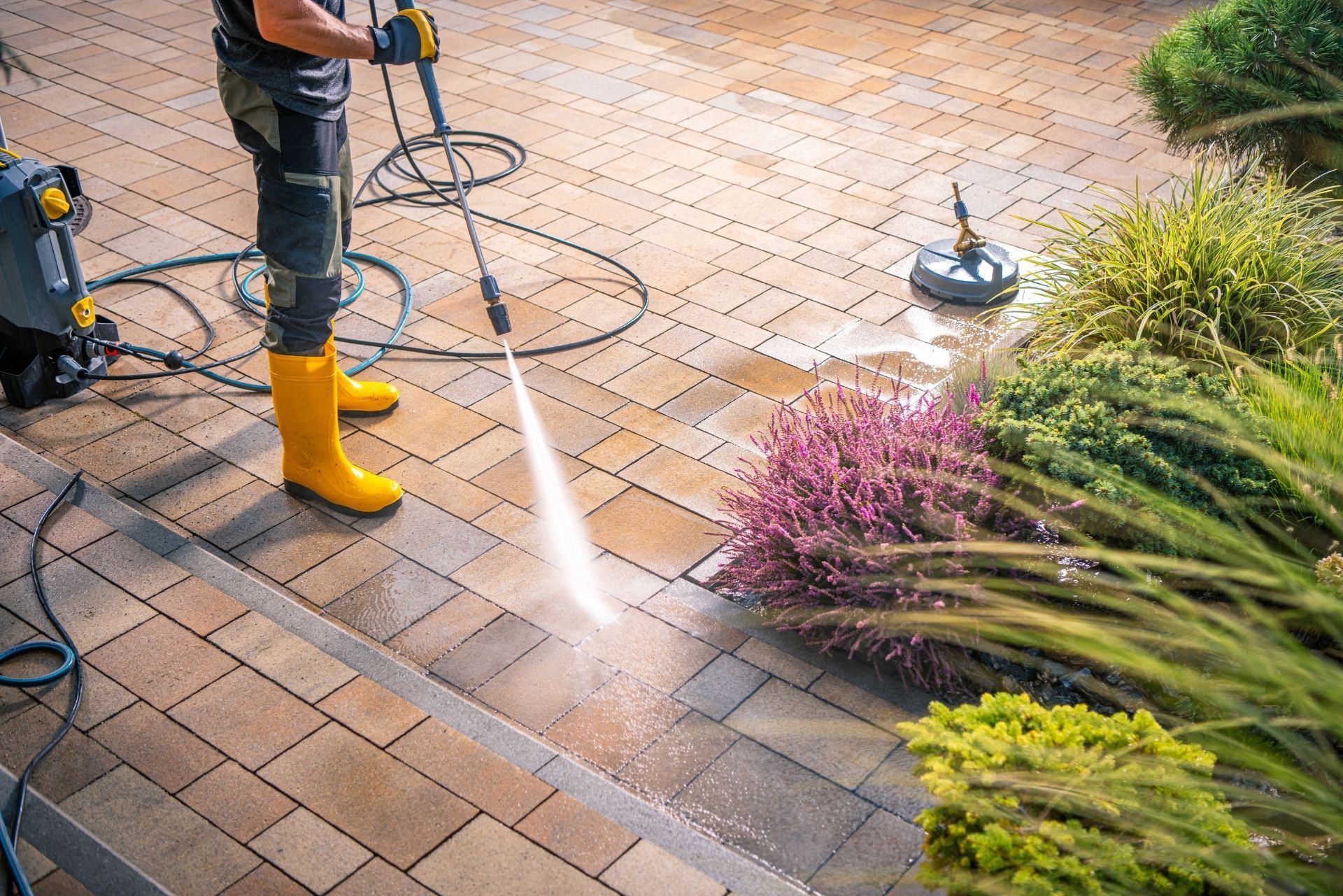
Pressure washing looks simple from the outside. A truck, a rig, some hoses, and a ladder. In practice, Texas operators deal with heat, sudden storms, aging roofs, and a mix of residential and commercial surfaces that can be surprisingly fragile. Every job combines water, height, chemicals, and expensive property, which is a risky mix without a financial backstop.
Texas has also become a kind of testing ground for how climate and severe weather impact insurance. One industry expert described the insurance sector as the “canary in the coal mine for the climate crisis” as companies react to more frequent catastrophic events and higher claim costs as reported by the Texas Tribune. When insurers pay out more for hail, wind, and flood losses, they often tighten underwriting rules and raise premiums across many lines of coverage, including business policies.
On top of that, Texas ranks among the least affordable states for homeowners insurance, partly due to severe storms and litigation trends that push up claim costs
according to an analysis cited by the Insurance Information Institute. Clients who already feel squeezed by those premiums can be quick to point the finger at a contractor if anything goes wrong on their property. A well structured insurance program can turn those conflicts into routine claims instead of a fight that threatens the business itself.
How the Texas insurance market affects your coverage
Even if a pressure washing business has never filed a claim, it still operates inside the wider Texas insurance market. Property and casualty insurers in the state have seen steady premium growth, a sign of both rising risk and rising prices. Direct written premiums for property and casualty coverage in Texas grew by about 12 percent from 2022 to 2023, reaching roughly 74.3 billion dollars across the market according to the Insurance Council of Texas. That flow of premium dollars reflects insurers recalibrating for weather losses, legal costs, and inflation in building materials and labor.
For a contractor, this broader trend shows up in a few ways. Underwriters are more cautious about businesses that work on roofs, siding, and windows, especially when they use high pressure or chemicals. Some insurers now exclude or tightly limit work above certain heights or on particular roofing materials. Others may require detailed safety protocols before they agree to quote. A business that shows it understands its risks, uses appropriate techniques, and carries the right mix of policies is far more likely to find competitive terms.
There is also a policy debate unfolding in Austin about how to handle rising insurance costs. Lawmakers have floated reforms aimed at putting guardrails on premium hikes and improving transparency around how rates are set in the state
based on recent legislative updates from industry groups. Any legal changes will take time to trickle down, yet they underscore how closely Texas regulators are watching the property and casualty space, which includes business liability coverage.
Core risks in pressure washing and soft washing
Pressure washing and soft wash operations share many of the same hazards, even though the water pressure and chemicals are different. Clients usually focus on visible damage like etched glass or stripped paint. Insurers look at a wider map of potential claims.
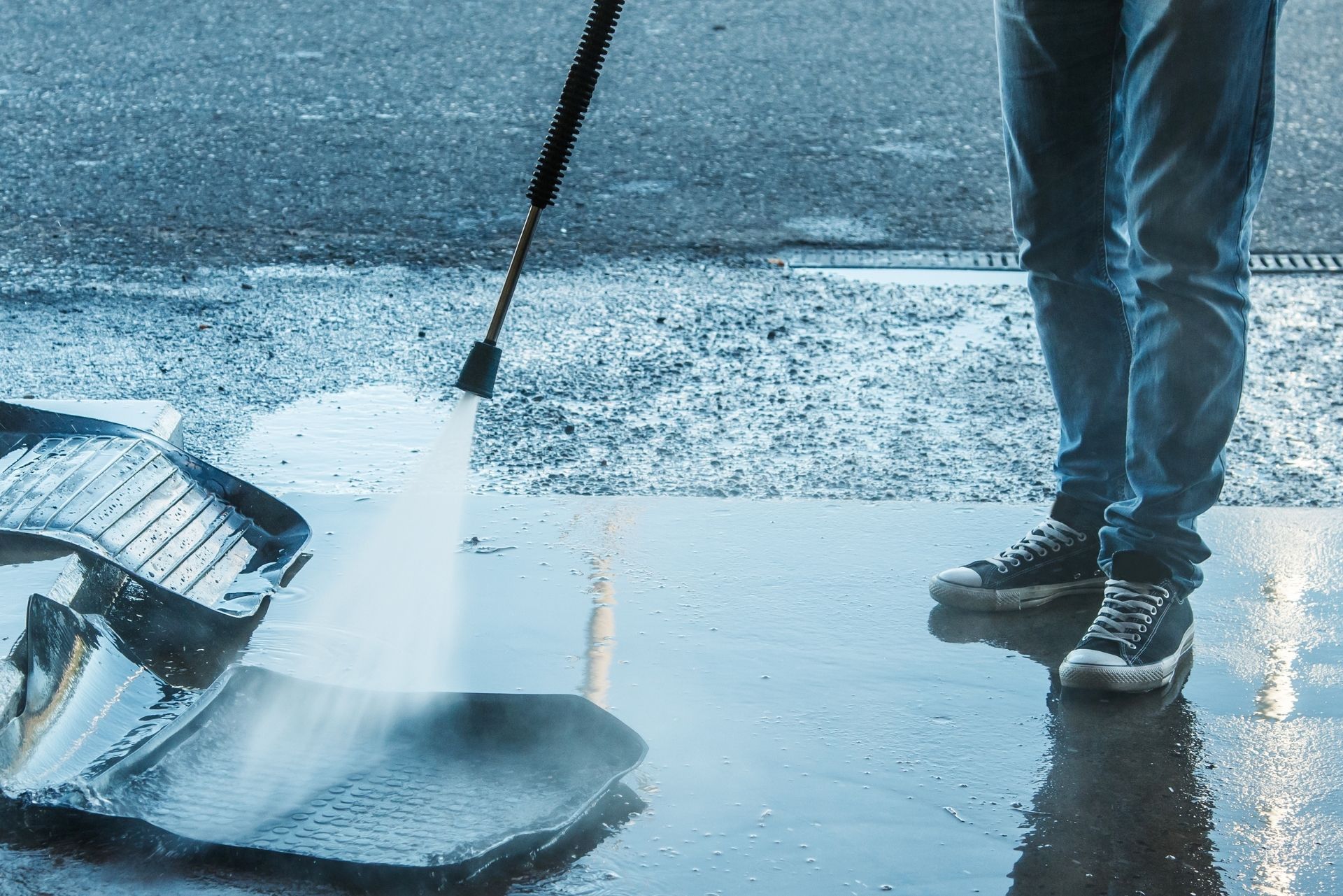
Specialists who insure this niche point to a cluster of recurring exposures. They highlight water and chemical runoff that can damage landscaping or contaminate drainage systems, equipment-related injuries ranging from hoses whipping loose to pump failures, slip and fall accidents from wet surfaces, ladder and height incidents on multi story work, and health risks from chemical exposure during mixing or application as outlined by industry focused brokers. Any of these can lead to medical bills, property damage, or even environmental cleanup costs.
Soft washing brings its own nuance. The lower pressure reduces the chance of blasting holes in siding, but it relies more heavily on detergents and surfactants. A misjudged mix can streak shingles, kill plants, or leave residue that clients notice days later. When that happens, a complaint that starts as “ugly streaks on the driveway” can quickly escalate into demands to repaint walls or replace landscaping. Good insurance becomes the backstop when goodwill and touch up work are not enough.
Essential insurance policies for Texas pressure washing businesses
No two operations look exactly the same. Some focus on residential driveways and patios. Others specialize in commercial storefronts, fleet washing, or large industrial projects. Still, most successful Texas pressure washing and soft wash businesses build their protection on a similar foundation of policies that work together.
The list below covers the core coverages that most operators at least consider. The right set for a particular business depends on its services, equipment, revenue, and crew size.
General liability insurance
This is usually the starting point. General liability responds when a third party claims the business caused property damage or bodily injury. In the pressure washing context, that can mean cracked windows, gouged wood, or a slip and fall injury on a freshly washed sidewalk. Many commercial clients will not sign a contract or allow work on site until they see a certificate of insurance showing current general liability limits.
For soft wash work, general liability also matters when cleaning mixes go wrong. If a roof treatment kills plants or stains a wall, the resulting claim usually runs through liability coverage. Without it, a single angry homeowner could put a major dent in the company’s cash flow.
Commercial property and equipment coverage
Pressure washing rigs are not cheap. Between hot water units, surface cleaners, tanks, and hoses, even a small setup can represent a serious investment. Commercial property coverage helps repair or replace that gear if it is stolen or damaged by a covered event such as fire, vandalism, or certain types of storm damage.
Some policies can be written as inland marine or equipment coverage, following the rig on trailers and in trucks rather than limiting protection to a fixed location. That flexibility matters in Texas, where many operators serve several cities or counties and store equipment in yards, driveways, or rented lots.
Commercial auto insurance
Any vehicle titled to the business or used primarily for work should be protected by commercial auto coverage. A pickup that pulls a tandem axle trailer loaded with tanks and machines is working equipment, not a personal commuter. If a driver rear ends another car on the way to a job, personal auto insurance may refuse the claim if the vehicle is being used for business.
Commercial auto can also offer coverage for permanently attached equipment, signage, and certain types of trailers, depending on the policy language. For mobile contractors, this policy often sits near the top of the risk list because long hours on Texas roads increase the chance of accidents.
Workers compensation and occupational accident coverage
Once a pressure washing company starts hiring employees or long term helpers, it should think seriously about coverage for work related injuries. Workers compensation can pay medical bills and lost wages if someone falls off a ladder, slips on a wet deck, or injures a back lifting a surface cleaner into a truck.
Some very small operations use alternative arrangements like occupational accident policies where allowed, but those have different protections and limitations. In a physically demanding trade with ladders, wet surfaces, and chemicals, skipping this type of coverage exposes both the worker and the owner to serious financial risk.
Professional liability and errors coverage
Most pressure washing and soft wash jobs do not involve professional advice in the traditional sense. Still, there are situations where a customer claims the business recommended the wrong method or product for a surface, leading to damage or extra cost. Certain insurers can bundle limited errors and omissions coverage or add endorsements that respond when work methods, instructions, or consulting contribute to a loss.
This kind of protection becomes more relevant for companies that help design maintenance schedules for large properties, advise on cleaning systems, or train other contractors.
Umbrella and excess liability
Larger operations that work on high value properties, schools, hospitals, or industrial sites often buy an umbrella or excess liability policy. This adds an extra layer of protection above the basic limits on general liability, auto, and sometimes employers liability. One serious accident on a busy commercial site can easily pierce ordinary liability limits, especially if several people are injured or multiple businesses are involved in a claim.
Umbrella coverage is usually the last piece of the puzzle, added once the core policies are in place and the business has enough revenue and assets to justify higher limits.
Coverage comparison table
It can help to see the main policy types side by side. The table below gives a simple snapshot of how each option supports a Texas pressure washing or soft wash operation.
| Coverage type | What it protects | Typical claim example |
|---|---|---|
| General liability | Third party property damage and bodily injury | Water gets under a door and ruins interior flooring at a client’s home. |
| Commercial property / equipment | Business owned buildings, tools, and machines | Pressure washer and surface cleaner are stolen from a locked trailer. |
| Commercial auto | Trucks, vans, and trailers used for the business | Work truck hauling a rig rear ends another vehicle on the highway. |
| Workers compensation | Employee medical bills and lost wages after work injuries | Technician falls from a ladder while cleaning a two story home. |
| Umbrella liability | Extra liability protection above underlying policies | Large bodily injury claim exceeds the limits of general liability coverage. |
How much does pressure washing insurance cost in Texas?
Operators often want a quick number, yet premiums swing based on experience, claims history, services offered, and even the counties where work is performed. Still, available data can provide a useful benchmark. One insurance resource reports that the average annual premium for pressure washing insurance in Texas is about 640 dollars, typically for policies with liability limits of roughly 1 million dollars per occurrence and 2 million dollars in aggregate protection according to figures compiled by Insuranceopedia.
Compared with what Texas homeowners pay for their own coverage, that benchmark puts many pressure washing policies in a fairly accessible range. Homeowners insurance, by contrast, now averages around 2,803 dollars per year in the state after recent rate hikes of roughly 21.1 percent in a single year based on the Texas Department of Insurance biennial report. The key point for contractors is that insuring the business may cost far less than clients assume when they hear “a million dollars of coverage,” which can be helpful in sales conversations when proof of insurance becomes a selling point.
That said, the average does not tell the whole story. A solo operator who sticks to flatwork and avoids roofs might land on the lower end of the range. A company that tackles multi story buildings, uses lifts, or performs heavy chemical work could see premiums climb. The presence of employees, prior losses, and even safety training practices can also move the rate needle up or down.
Key factors that influence your premium
Insurers think in terms of risk patterns. When they look at a Texas pressure washing application, several details carry extra weight. Understanding those levers can help a business present itself more favorably and sometimes lower costs over time.
Services and surfaces you work on
Not all pressure washing work is created equal from an underwriter’s point of view. Flat concrete on driveways and sidewalks tends to be more predictable than delicate stucco, wood decks, or older roofs. Work on glass storefronts, historical buildings, and painted trim can also raise questions because the chance of cosmetic damage is higher.
If a company specializes in roof treatments, multi story structures, or restoration work, it should expect closer scrutiny. In some cases, insurers may allow certain services but apply exclusions for others. Clear documentation of methods and surface specific processes can reassure them that the business uses appropriate pressure, tips, and detergents for each material.
Experience, training, and safety culture
Years in business, documented training, and written safety procedures all matter. A crew that uses proper ladder setup, harnesses where appropriate, and job site walk throughs looks different on paper than a contractor who sends helpers onto roofs with little instruction. Insurers know that experienced operators are more likely to catch loose shingles, cracked windows, or drainage issues before they turn into claims.
Regular equipment maintenance also plays a role. Keeping hoses, guns, and pumps in good condition reduces the chance of sudden bursts or leaks that can damage property. Written checklists, photos from before and after jobs, and records of customer communication may not show up directly in the premium, yet they can support the business during claim investigations.
Claims history and loss control
A spotless claims record helps. When past losses exist, the story behind them matters just as much as the dollar amount. An isolated event with clear corrective steps often worries underwriters less than a pattern of similar incidents that suggest weak controls.
Pressure washing businesses can improve their profile by adopting simple loss control habits. Examples include posting wet floor signs on commercial sites, taping or coning off hoses in pedestrian areas, pre wetting plants before and after chemical applications, and carefully documenting any pre existing damage before starting work. Those practices lower the real world chance of accidents and signal seriousness to insurers.
Soft washing vs traditional pressure washing: insurance nuances
Soft washing markets itself as a gentler method that protects surfaces, particularly on roofs and siding. From a liability standpoint, lower pressure sometimes reduces the risk of immediate physical damage like etched brick or blown siding. At the same time, the technique can introduce more chemical related exposures, especially when contractors use proprietary mixes or high strength solutions.
Some insurers may ask for details about soft wash chemistry and application processes. They want to know how solutions are diluted, how plants and landscaping are protected, and how runoff is managed around drainage systems and pools. A business that documents its processes around dilution, dwell time, and neutralizing treatments can often secure more favorable terms than one that treats soft wash as “just spraying some soap and rinsing it off.”
Another nuance is client perception. Homeowners and property managers sometimes assume soft washing is entirely risk free because it uses lower pressure. When streaks, discoloration, or plant damage appear days later, they may react more strongly because the method was presented as safe. Good contracts, clear expectations, and appropriate insurance help bridge that gap between marketing language and real world outcomes.
Growing demand and what it means for your insurance
Pressure washing and soft washing feed into several larger trends in property maintenance and vehicle care. One visible area is car wash and auto detailing services, which share similar equipment and cleaning principles. The United States car wash service market was valued around 14.74 billion dollars in 2024 and is projected to grow by about 2.1 percent annually from 2025 through 2030, a trajectory that signals steady demand for exterior cleaning services and related add on work according to industry statistics compiled by Jobber.
For Texas contractors, that kind of growth environment can be a double edged sword. On the positive side, more properties seek regular cleaning, from shopping centers and office parks to fleets and residential communities. That creates room to specialize, expand routes, and hire employees. On the other hand, more jobs, more vehicles on the road, and more crew members on ladders all increase the chance of accidents.
This is where viewing insurance as a growth tool rather than a sunk cost pays off. A business that plans to scale can design coverage to match its ambitions, instead of falling into a pattern of updating policies only after something goes wrong. That might mean raising liability limits before landing a large commercial contract or adding
workers compensation before bringing on a full time second crew.
Practical tips for buying and managing your coverage
Choosing insurance is not just about price. The way coverage is structured can make the difference between a covered loss and a painful surprise. Texas pressure washing and soft wash businesses can take a few practical steps to improve the fit of their policies.
Be specific about your services
When filling out applications or speaking with brokers, vague descriptions like “general pressure washing” usually are not helpful. A clearer picture of the work mix helps insurers better understand the risk. Listing the approximate share of work that involves flatwork, siding, roofs, commercial jobs, and specialty services makes underwriting smoother and can reduce the odds of coverage disputes later.
It also helps to explain any high risk services that are not offered. For example, a business that never cleans fragile tile roofs or avoids working above certain heights should say so explicitly. That detail might open doors to insurers who otherwise shy away from the trade entirely.
Review exclusions and endorsements carefully
Two pressure washing policies with the same liability limit can behave very differently once exclusions and endorsements are factored in. Some forms restrict coverage for roofing work, certain chemicals, or water intrusion. Others may exclude damage to specific materials. Reading those sections and asking questions is essential before a claim ever happens.
Where an exclusion cuts too deeply into core services, it may be worth shopping for another carrier that understands the niche better. In some cases, insurers may be willing to modify or soften certain restrictions if the business can demonstrate strong safety practices around that type of work.
Keep proof of insurance handy
Clients increasingly expect fast access to certificates of insurance. Many property managers and general contractors will not allow a crew on site until they receive current documentation that lists them as certificate holders and confirms required limits. Keeping digital copies ready to send from the field can shorten the gap between closing a deal and starting work.
When a contract requires specific coverage types or endorsements, such as additional insured status or primary and non contributory wording, it is worth confirming that the policy actually provides those features before signing. Surprises at audit time or after a claim are much harder to fix.
Frequently asked questions about Texas pressure washing insurance
Is general liability required by law for pressure washing businesses in Texas?
Texas does not mandate general liability coverage for every contractor, but many clients, landlords, and commercial property managers require it by contract. In practice, any business that works on other people’s property should treat it as essential.
Do I need workers compensation if I only use helpers or subcontractors?
This depends on how those helpers are classified and how Texas law views the relationship. Even when people are labeled as subcontractors, they can sometimes be treated as employees for injury claims, so talking with an insurance professional or legal advisor about the specific setup is important.
Will my personal auto policy cover my truck and trailer for work?
Personal auto policies often limit or exclude coverage when vehicles are used primarily for business. A truck that hauls a pressure washing rig, water tanks, and signage is usually better insured on a commercial auto policy.
Does insurance cover damage from using the wrong chemical mix?
It depends on the policy language and the circumstances. Many general liability policies respond to accidental property damage from cleaning agents, but some exclude damage to certain materials or surfaces, so reading the fine print is important.
Can I get insured if I do roof washing in Texas?
Yes, but the market is more selective. Some insurers avoid roof work entirely, while others will consider it if the business uses soft wash methods, has strong safety procedures, and can document experience with those surfaces.
How often should I review my pressure washing insurance?
Reviewing coverage at least once a year is a good habit, especially if the business adds new services, buys more equipment, or hires additional crew members. Sudden growth or major contract changes are also natural times to revisit limits and policy terms.
What to remember before you head to the next job
Texas pressure washing and soft wash companies operate in a state where insurance costs and weather risks are both on the rise. Homeowners already know what that feels like as home insurance premiums have climbed sharply in recent years according to the Texas Department of Insurance. For contractors, the smartest response is not to ignore that reality but to build an insurance strategy that matches the real risks of water, height, and chemicals.
That strategy usually starts with general liability, commercial auto, and equipment coverage, then extends into workers compensation and umbrella protection as the business grows. Along the way, operators who treat their policies as living tools, updated when services, crews, or contracts change, tend to weather surprises better than those who buy a bare minimum plan and forget about it.
With demand for exterior cleaning and related services expected to keep expanding in the coming years, including across the broader vehicle and property maintenance market as industry data suggests, Texas pressure washing businesses that pair smart insurance with solid operations will be positioned to grow with far less stress. The work will always involve risk, but the financial fallout from that risk does not have to fall squarely on the contractor’s shoulders.

About The Author: Mark Braly
As President & CEO of Braly Insurance Group, I’ve built my agency since 1997 on the promise of protecting what matters most for families and businesses across Texas.
With a finance degree from Oklahoma State University and nearly three decades in the industry, I lead a team that offers tailored, local insurance solutions—whether it’s specialized commercial coverage or personal protection.
Outside the office, you’ll find me on the golf course or playing piano, always energized by time with my family and my commitment to giving back through organizations like CASA McKinney.
Testimonials
Real Insurance Clients with Honest Reviews
Braly agency was very honest and professional to work with. They have many resources to choose from and are a full service Insurance Agency. I highly recommend! Caden provided excellent and knowledgeable service throughout the process.


Louis G.
Insurance Client
I have been with the Braly Group for years. Their attentiveness gratitude and all around a good group to take care of your insurance and others needs.
Thanks for being amazing,
Jeff D.
Insurance Client
I have been with the Braly Insurance Group for over 10 years! Absolute professionals who definitely take care of you personally. I trust the Braly Group to give me the best product and price for my insurance needs!
Doug F.
Insurance Client
Everyone at Braly Insurance is always friendly & helpful. Whether you need to file a claim or make changes to your policy they are there to help with whatever you need.
Terry B.
Insurance Client
Business Insurance
Commercial Insurance Policies
General Liability Insurance
Comprehensive protection against lawsuits and other common business risks.
Workers Comp Insurance
Coverage for medical expenses and lost wages due to workplace injuries.
Commercial Property Insurance
Protect your business property from damage, theft, and natural disasters.
Commercial Auto Insurance
Insurance for vehicles used in your business operations, covering accidents and damages.
Professional Liability Insurance
Protection against claims of negligence, errors, and omissions in your professional services.
Industry-Specific Insurance
Businesses We Serve
Plumber Insurance
Electrician Insurance

Hotel Insurance

Software Insurance

Restaurant Insurance

Manufacturer Insurance

FAQs
Frequently Asked Question About Braly Insurance Group
What's the difference between an independent insurance agent and a captive agent?
Independent insurance agents, like those at Braly Insurance Group, offer a wide range of insurance products from multiple companies, allowing them to compare policies and find the best fit for your needs. Captive agents are tied to a single insurance company and can only offer products from that provider. Choosing an independent agent in Texas provides access to a broader selection of options, ensuring a more personalized and cost-effective insurance solution.
Why should I choose an independent insurance agent in Texas?
Opting for an independent insurance agent in Texas means receiving personalized, unbiased advice across a wide spectrum of insurance options. Independent agents source policies from multiple companies, tailoring coverage to your specific needs, often at more competitive prices. They possess a thorough understanding of local insurance requirements and risks, ensuring your coverage is both comprehensive and relevant to Texas.
What are the typical insurance types offered by independent agents in Texas?
Independent agents in Texas typically provide a broad range of insurance types, including homeowners, auto, life, and umbrella policies, as well as specialized coverage like motorcycle and condo insurance. They offer customized solutions for various situations, ensuring you have access to policies that match your specific needs, whether you're protecting your family, home, vehicle, or personal assets.
What's the cost to collaborate with an independent insurance agent in Texas?
Engaging with an independent insurance agent in Texas usually doesn't involve any direct costs or fees for their advisory services. Agents earn commissions from the insurance companies for the policies they sell, allowing you to benefit from their expertise and personalized service without incurring additional expenses. Their objective is to secure the best coverage for you at the most competitive rates, aligning with your financial and insurance needs.
Why should I partner with a local independent insurance agent?
Partnering with a local independent insurance agent offers numerous advantages. They have a profound understanding of Texas' unique insurance needs and challenges, providing advice and solutions tailored to the local context. Local agents are readily available for face-to-face meetings, offering a level of personalized service that larger, non-local agencies can't match. Their commitment to the community means they're dedicated to finding the best insurance solutions for their neighbors, adding a personal touch to their professional services.
Personal Insurance options
Our Complete Range of Personal Insurance Solutions

Home Insurance
Protect your home with comprehensive coverage tailored to your needs. Secure your peace of mind today.
01
Car Insurance
Drive confidently with our customizable auto insurance plans designed for every driver and vehicle.
02


Boat Insurance
Enjoy your time on the water with our reliable boat insurance, covering damages and liabilities.
04

RECENT POSTS
Get the Latest Updates



Contact Us