
Texas Tree Service and Arborist Insurance

See How We're Different
or call us: (855) 359-9324
A tree crew in Texas can turn a quiet morning into a serious liability in a matter of seconds. A dropped limb on a client’s roof, a chipper injury, or a truck backing into a neighboring car can all create claims that easily exceed the profit from the entire job. At the same time, clients are becoming more aware of risk, especially when they see what it costs to bring in a professional. The average cost to hire an arborist runs about 875 dollars, with many jobs falling between 750 and 1,000 dollars, according to HomeAdvisor cost data. When people pay that kind of fee, they expect any accident to be handled by insurance, not by a small business owner’s personal savings.
Modern tree work is not just chainsaws and ropes. As one ISA certified professional puts it, a certified arborist brings scientific knowledge to every tree consultation, not just tools, a perspective echoed by an
ISA Certified Arborist quote. That blend of technical, physical, and advisory work creates a unique risk profile. This guide walks through the key insurance coverages Texas tree service and arborist business owners should understand, how insurers look at your operations, and practical ways to keep premiums in check while still protecting your company.
Why Texas Tree Services Face Unique Risk
Texas combines sprawling suburbs, mature shade trees, frequent storms, and long growing seasons. That is great for business, but it also means more situations where something can go wrong. Large live oaks over houses, brittle storm-damaged trees, and tight access in established neighborhoods all raise the stakes on every cut.
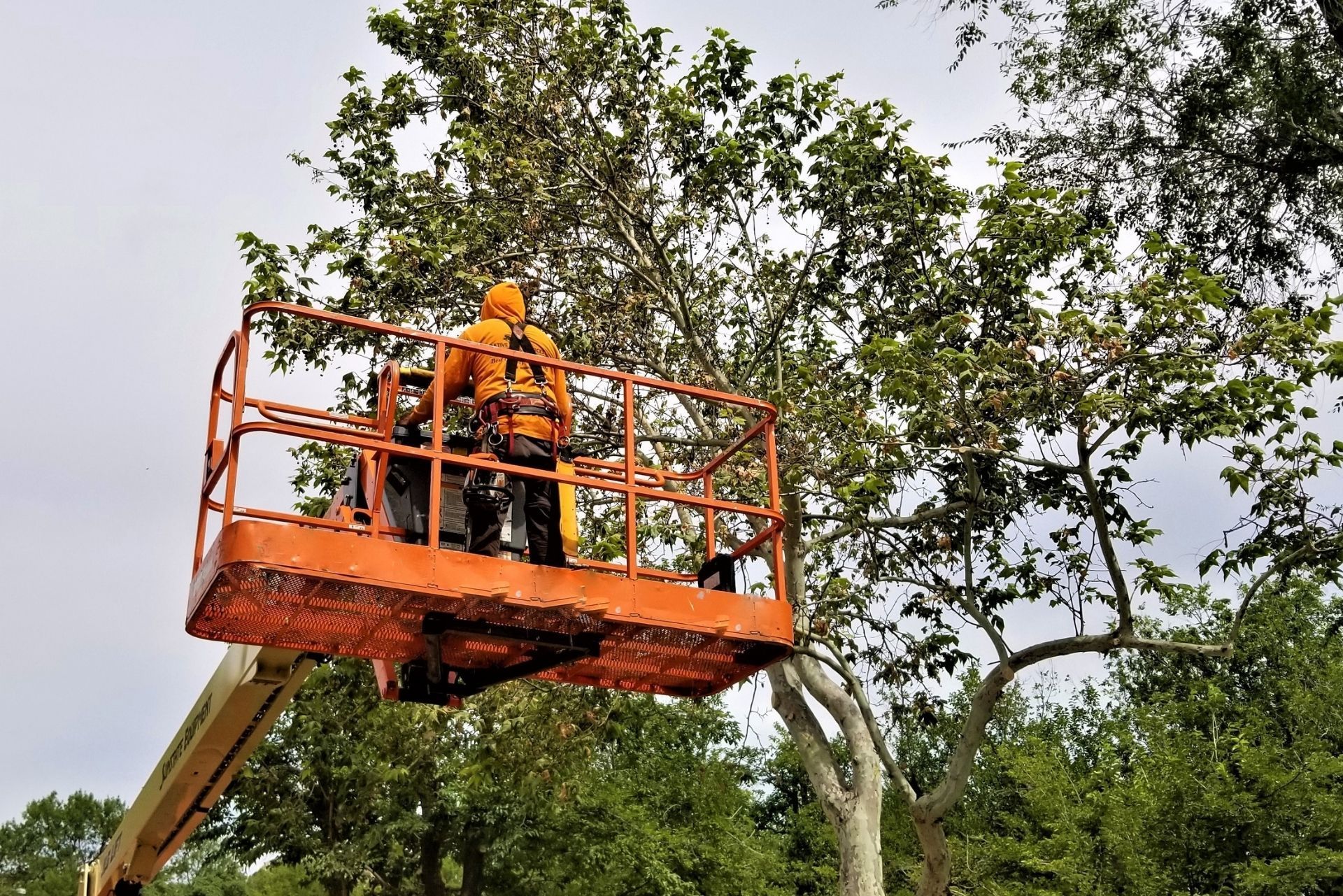
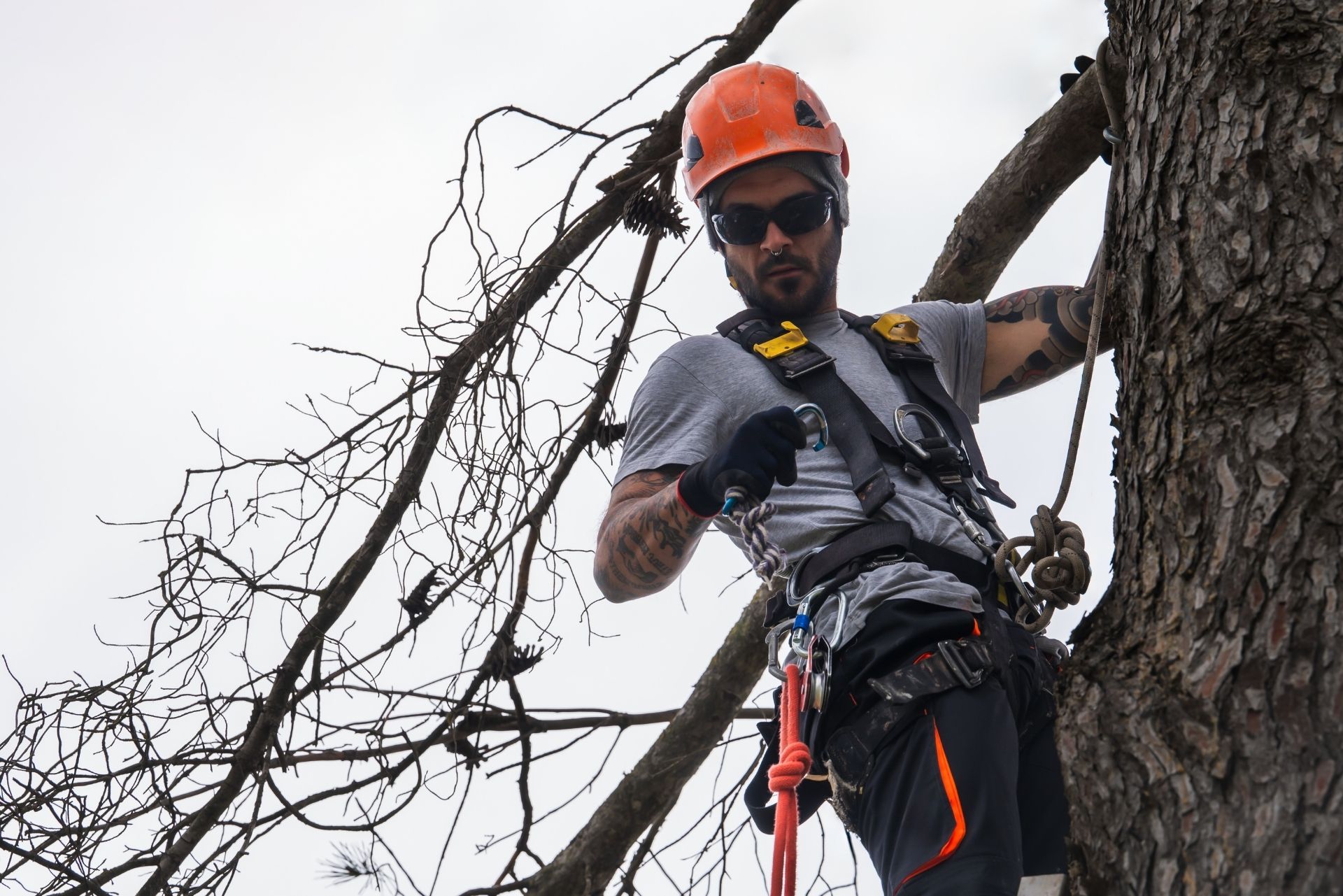
Tree work also mixes several high-hazard elements that insurers pay close attention to. Crews work at height, use powerful cutting equipment, drive heavy trucks and trailers, and often operate in close proximity to homes, vehicles, and utilities. The same job that removes a hazard for your client can create a serious exposure for your business if a rigging setup fails or a ground worker gets injured.
Core Insurance Coverages For Texas Tree And Arborist Businesses
Most Texas tree services end up with a portfolio of policies rather than a single catchall policy. Each coverage addresses a different type of risk: injuries to other people, injuries to your workers, damage to client property, and loss or damage to your own equipment. Understanding what each policy does helps you avoid gaps that only show up after a claim.
The exact mix will depend on your services. A consulting arborist who mainly performs risk assessments and reports looks very different to an insurer than a crew that does removals near power lines. Many small companies fall somewhere in between, offering pruning, removals, and stump grinding, plus occasional consulting or plant health care.
General Liability Insurance
General liability is usually the first policy a commercial client asks about. It covers bodily injury and property damage that your operations cause to others. If a limb crashes through a client’s roof, or a visitor trips over a rope and breaks an arm, this is typically the policy that responds.
For Texas tree services, insurers look closely at how much climbing you do, whether you work near structures, and what percentage of your work involves removals versus lighter pruning. They also pay attention to subcontractor use. If you bring in outside climbers or crane operators, you need clean contracts and certificates to avoid surprise claims landing back on your policy.
Workers Compensation Insurance
Workers compensation protects your employees if they are injured on the job. It pays for medical care and a portion of lost wages, and it also shields the business from most employee injury lawsuits. Tree work is physically demanding, and injuries can be severe, from lacerations and strains to falls and struck-by incidents.
Even if state rules allow alternatives in some situations, many larger customers insist that any tree contractor on their property carry a proper workers compensation policy. Insurers will look at your safety training, experience levels, use of personal protective equipment, and whether you have a history of prior claims.
Commercial Auto Insurance
Tree service trucks and trailers spend a lot of time on the road, often while loaded with logs, chips, and heavy equipment. A fender-bender in a congested Texas city street, or a more serious accident on a highway while pulling a chipper, can trigger injury and property damage claims that are completely separate from your job-site exposures.
Commercial auto insurance covers liability arising from your business vehicles, and can also insure physical damage to the vehicles themselves. Insurers will weigh the number and type of units you run, how far you travel, and whether employees drive vehicles home. Good driver screening and regular maintenance can help with both safety and insurability.
Inland Marine And Equipment Coverage
Tree companies depend on specialized gear: chippers, stump grinders, mini skids, bucket trucks, climbing gear, and saws. Standard auto or property policies often do not fully protect that equipment, especially when it moves between job sites. Inland marine coverage is the industry term for insuring tools and machinery that travel with you.
This coverage can respond if a chipper is stolen from a job site, if a saw is taken from a locked truck, or if equipment is damaged in a covered incident. Insurers often ask for an equipment schedule listing major items and their values. Keeping good records and serial numbers makes claims smoother and can support better policy terms.
Professional Liability For Consulting Arborists
As the industry becomes more scientific, more Texas arborists provide written reports, risk assessments, and expert opinions. Professional liability, sometimes called errors and omissions coverage, addresses claims that arise from alleged mistakes in that advisory work. If a tree later fails and someone argues that your risk rating or recommendation was negligent, this is the coverage that may respond.
An ISA certified arborist who inspects high-value trees, commercial properties, or municipal sites faces a different set of exposures than a crew that mostly does takedowns. Insurance carriers will ask about your credentials, the type of reports you prepare, and whether you have written procedures for inspections and documentation.
Commercial Property Insurance
If you rent or own a shop, yard, or office, commercial property insurance protects buildings, contents, and sometimes business income after a covered loss. For tree services, that might mean a windstorm that damages your shop roof, or a fire that destroys stored gear and office records.
Even businesses that store gear outdoors often have expensive items inside, such as saws, rigging, computers, and parts. Insurers will want details about construction type, security measures, and any exposure to wildfire or flood. Clear inventories and photos can shorten the claims process after a loss.
Commercial Umbrella Insurance
Tree work claims can sometimes pierce standard policy limits, especially when serious injury or structural damage is involved. A commercial umbrella policy sits on top of your general liability, auto, and often employers liability limits, providing an extra layer of protection once underlying limits are exhausted.
Umbrella coverage can be surprisingly cost-effective relative to the added protection it provides. Insurers will typically require that your underlying policies carry certain minimum limits and will look closely at your overall safety profile before offering higher umbrella limits.
| Coverage Type | What It Mainly Protects | Why Tree Services Need It’s Higher Risk |
|---|---|---|
| General Liability | Clients and third parties | Handles property damage and bodily injury your operations cause to others. |
| Workers Compensation | Your employees | Covers job-related injuries and illnesses for climbers, ground crews, and staff. |
| Commercial Auto | Vehicle-related liability and damage | Protects your business when trucks, bucket units, and trailers are on the road. |
| Inland Marine / Equipment | Tools and machinery | Insures mobile equipment like chippers, grinders, and saws that move from job to job. |
| Professional Liability | Your advice and reports | Addresses claims tied to consulting, risk assessments, and expert opinions. |
| Commercial Property | Buildings and contents | Protects shops, yards, offices, and stored equipment at fixed locations. |
| Umbrella Liability | High-severity claims | Adds extra protection above other liability policies for catastrophic losses. |
How Much Insurance Does A Small Texas Tree Service Need?
There is no single right coverage amount for every Texas tree or arborist business. The right limits depend on your typical job size, the value of the structures you work around, and who your clients are. A company that mainly handles small residential pruning often has very different needs from one that performs crane removals for commercial properties or municipalities.
One useful way to think about limits is to compare them to the scale of the damage that a worst-case job could create. For example, if a failed rigging line could plausibly destroy a large portion of a client’s roof, or if a misjudged felling cut could impact multiple vehicles, it usually makes sense to carry liability limits that can absorb that kind of loss without threatening the survival of the business.
What Actually Drives Tree Service Insurance Costs?
Insurance pricing is often one of the most confusing parts of running a tree company. Two businesses that look similar on the surface can pay very different premiums. Insurers dig into the details of your operation to understand how much risk they are taking on and how likely it is that you will file a claim.
Underwriters focus on a few recurring themes. They look at the kind of work you do, your safety culture, your claims history, the experience level of your leadership, and the mix of commercial versus residential clients. They also pay attention to how you handle specialized exposures like crane work, power line proximity, or chemical applications for plant health care.
Service Mix And Job Profile
Tree work is not all equal from an insurance perspective. Removals over structures, technical rigging, and storm-damage cleanups often carry higher risk than light pruning on open ground. Insurers want to know roughly how your annual revenue breaks down between different service categories, such as removals, pruning, stump grinding, consulting, or plant health care.
Special projects can also matter. If you occasionally assist with line clearance work, handle large commercial campuses, or work for municipalities, expect extra questions. The more precise you can be about the work you do and do not perform, the more accurately your coverage and pricing can be tailored.
Crews, Payroll, And Subcontractors
Although exact numbers vary, insurers care about how many people are exposed to job hazards and how they are classified. Climbers, bucket operators, and ground workers are often treated differently from office staff. If you use subcontract climbers or crane companies, insurers want to see contracts and certificates that clearly shift appropriate responsibilities.
Unreported or casually handled subcontractor relationships can create gaps. A claim involving an uninsured subcontractor can land on your policy and, in some cases, be treated as if that person were your employee. Clear agreements and documentation help you avoid paying for other people’s risk.
Equipment And Vehicles
Your fleet and equipment list also influence insurance cost. Larger trucks, bucket units, and heavier trailers often come with higher premium levels, particularly if they spend significant time on busy roads. Equipment used in tight urban spaces or near high-value structures also tends to draw more underwriting attention.
That does not mean you should avoid investing in newer or better gear. In many cases, well-maintained modern equipment improves safety and, over time, can help keep claim costs in check. Maintenance logs, pre-trip inspections, and formal checklists all show insurers that you take risk seriously.
Safety Culture And Loss History
Insurers reward evidence that your company treats safety as a daily practice rather than a slogan on a website. Documented training, job briefings, tailgate talks, and near-miss reporting all signal a proactive approach. Written procedures for PPE, chainsaw use, climbing, rigging, and traffic control tell a similar story.
Your past claims, or lack of them, round out the picture. Even well-run tree services can experience losses, especially during major storm events. How you responded, what you changed, and whether the same type of incident repeats make a difference when an underwriter decides how to price and structure your policy.
Industry Trends Texas Tree Services Should Know
The tree care industry is not static. Equipment technology is changing, client expectations are rising, and national trade groups are paying close attention to safety and professional standards. The Tree Care Industry Association recently highlighted key developments, membership trends, and financial performance in its Fiscal Year 2023 to 2024 report, which offers a snapshot of how the profession is evolving across the country in documents such as the Tree Care Industry Association Annual Report.
For Texas businesses, these shifts can affect both opportunity and risk. Greater professionalization means more demand for certified arborists, written reports, and documented risk assessments. That broadens revenue potential but also increases the importance of having the right mix of general liability and professional liability coverage in place.
Tree Care, Not Just Tree Removal: Why Coverage Must Match Your Services
Many clients still think of tree companies mainly as removal contractors, but modern arboriculture goes far beyond that. One experienced tree service owner notes that tree care is not just about removal, it is about maintaining the health and safety of the landscape, a point often stressed by professionals featured on resources such as tree care education pages. As your service list grows, your insurance program has to change with it.
If you offer plant health care, for example, carriers may ask about chemical storage, application methods, licensing, and spill response. If you sell consulting services or expert witness work, they will want to know how you structure your reports, manage conflicts of interest, and maintain records. Each new service can be a profit center, but it also adds a layer of risk that must be addressed.
Working With Lawn And Landscape Companies In Texas
Tree work in Texas is often intertwined with the broader green industry. Many lawn and landscape firms offer limited tree services, or else refer larger jobs to dedicated arborists. A Texas A and M University study found that in 2004 a majority of companies primarily offering lawn maintenance also provided arborist services, with 53 percent of those businesses reporting that tree care was part of their offering, according to research summarized in the Texas A and M landscape industry report.
For tree specialists, that integration creates partnership opportunities but also legal and insurance complexity. When you subcontract under a landscape company, clients may view you as part of their team, yet the risk is still very much yours. Contracts should spell out who is responsible for what, which policies apply, and how indemnification works if something goes wrong on the job.
Certificates Of Insurance And Contract Language
Most commercial and municipal clients, and many sophisticated residential customers, will require proof of insurance before hiring you. Certificates of insurance show that your policies exist, but they do not change the legal obligations created by your contracts. It is common for those contracts to include hold harmless or additional insured language that shifts risks between parties.
Tree service owners should understand the basic meaning of those clauses, even when attorneys or brokers help review them. Agreeing to broad, one-sided indemnity language without appropriate coverage can leave your company exposed. On the other hand, fair and balanced contracts can reassure clients while still keeping your risk manageable.
Risk Management Practices That Help With Both Safety And Insurance
Good insurance does not replace the need for good safety practices. For a Texas tree or arborist business, lowering the likelihood and severity of accidents is the best long-term way to protect both people and profits. Insurers look more favorably on companies that clearly take risk management seriously.
Effective programs usually combine training, planning, and follow-through. Written safety manuals, job-site hazard assessments, and regular tailgate talks are part of the picture, but so is enforcing rules consistently. When leadership models safe behavior and supports workers who stop work over safety concerns, the entire risk profile of the company improves.
Job Planning And Pre-Work Briefings
Many incidents can be traced to rushed planning or assumptions about site conditions. Simple pre-job briefings that identify targets, hazards, drop zones, and escape paths go a long way. Taking a few extra minutes to walk the site, discuss rigging plans, and assign clear roles can prevent both injuries and property damage.
Documenting those briefings, even in a simple checklist format, keeps the process consistent. It also creates a paper trail that can be useful if a claim arises later. Insurers often ask about these practices during underwriting or claims investigations, so having them in place supports the story you want to tell about your business.
Training, PPE, And Equipment Maintenance
Formal training on chainsaw use, climbing, aerial lift operation, and chipper safety is essential. So is making sure workers actually wear and use their personal protective equipment. Helmets, eye and ear protection, chainsaw chaps where appropriate, and high-visibility clothing are all basic line items that yield significant safety benefits.
Regular equipment inspections and maintenance prevent failures that could injure workers or damage client property. Keeping records of inspections, repairs, and replacements is not just good operational practice, it is also valuable evidence if you ever need to demonstrate that you take care of your gear.
Frequently Asked Questions About Texas Tree Service Insurance
Owners usually have similar questions when they first dig into insurance for a Texas tree or arborist business. The answers below address common concerns without getting lost in technical language.
Use them as a starting point for discussions with a knowledgeable insurance professional who understands both tree care and the Texas market.
Do I really need separate policies for my tree service?
Yes. Different risks are covered by different policies. For example, general liability, workers compensation, and commercial auto each respond to different types of claims, and trying to rely on a single policy often leaves dangerous gaps.
Will my personal auto or homeowners policy cover tree work?
In most cases, personal policies exclude business activities. If you damage a client’s property or have an accident while working from your personal vehicle, there is a good chance a personal policy will not respond the way a business policy would.
Does a consulting arborist need insurance if there is no crew?
Yes. Consulting work carries professional exposure, especially when you write reports or provide risk ratings. A professional liability policy tailored to arborists can address claims that your advice or assessment caused a financial loss or contributed to an incident.
What if I only hire subcontractors and have no employees?
You still need to think carefully about insurance. Clients and insurers often treat uninsured subcontractors as if they were your employees, and you can still be held responsible for their actions, so you should verify their coverage and maintain your own.
How often should I review my coverage?
A yearly review is a practical minimum, and any major change in services, equipment, or client type is a good time to revisit your policies. Growing businesses often outgrow their original limits and policy structures faster than they expect.
Can better safety practices actually lower my premiums?
Over time, yes. Strong safety programs tend to reduce both the frequency and severity of claims, which improves your loss history. Carriers often consider that when pricing renewals and deciding what terms they are willing to offer.
Key Takeaways For Texas Tree Service And Arborist Owners
Tree care in Texas offers real opportunity, but it also carries serious responsibility. Every time a crew leaves the yard, the business is putting its reputation, equipment, and financial future on the line. Thoughtful insurance planning turns those daily risks into manageable, predictable costs rather than existential threats.
Start by matching your coverage to the work you actually perform, from removals and pruning to consulting and plant health care. Pay attention to how industry groups describe the profession’s direction, such as the trends highlighted in the Tree Care Industry Association annual reporting, and consider how those shifts might affect your own risk profile. Combine that awareness with strong contracts, clear documentation, and a safety culture that treats every job as important.
Well-structured insurance does not eliminate the hard work of running a Texas tree service, but it gives that work a stable foundation. When a client asks about your coverage, or when a storm event pushes your crews to the limit, you will be glad to know that your policies are built for the real risks you face among the trees.

About The Author: Mark Braly
As President & CEO of Braly Insurance Group, I’ve built my agency since 1997 on the promise of protecting what matters most for families and businesses across Texas.
With a finance degree from Oklahoma State University and nearly three decades in the industry, I lead a team that offers tailored, local insurance solutions—whether it’s specialized commercial coverage or personal protection.
Outside the office, you’ll find me on the golf course or playing piano, always energized by time with my family and my commitment to giving back through organizations like CASA McKinney.
Testimonials
Real Insurance Clients with Honest Reviews
Braly agency was very honest and professional to work with. They have many resources to choose from and are a full service Insurance Agency. I highly recommend! Caden provided excellent and knowledgeable service throughout the process.


Louis G.
Insurance Client
I have been with the Braly Group for years. Their attentiveness gratitude and all around a good group to take care of your insurance and others needs.
Thanks for being amazing,
Jeff D.
Insurance Client
I have been with the Braly Insurance Group for over 10 years! Absolute professionals who definitely take care of you personally. I trust the Braly Group to give me the best product and price for my insurance needs!
Doug F.
Insurance Client
Everyone at Braly Insurance is always friendly & helpful. Whether you need to file a claim or make changes to your policy they are there to help with whatever you need.
Terry B.
Insurance Client
Business Insurance
Commercial Insurance Policies
General Liability Insurance
Comprehensive protection against lawsuits and other common business risks.
Workers Comp Insurance
Coverage for medical expenses and lost wages due to workplace injuries.
Commercial Property Insurance
Protect your business property from damage, theft, and natural disasters.
Commercial Auto Insurance
Insurance for vehicles used in your business operations, covering accidents and damages.
Professional Liability Insurance
Protection against claims of negligence, errors, and omissions in your professional services.
Industry-Specific Insurance
Businesses We Serve
Plumber Insurance
Electrician Insurance

Hotel Insurance

Software Insurance

Restaurant Insurance

Manufacturer Insurance

FAQs
Frequently Asked Question About Braly Insurance Group
What's the difference between an independent insurance agent and a captive agent?
Independent insurance agents, like those at Braly Insurance Group, offer a wide range of insurance products from multiple companies, allowing them to compare policies and find the best fit for your needs. Captive agents are tied to a single insurance company and can only offer products from that provider. Choosing an independent agent in Texas provides access to a broader selection of options, ensuring a more personalized and cost-effective insurance solution.
Why should I choose an independent insurance agent in Texas?
Opting for an independent insurance agent in Texas means receiving personalized, unbiased advice across a wide spectrum of insurance options. Independent agents source policies from multiple companies, tailoring coverage to your specific needs, often at more competitive prices. They possess a thorough understanding of local insurance requirements and risks, ensuring your coverage is both comprehensive and relevant to Texas.
What are the typical insurance types offered by independent agents in Texas?
Independent agents in Texas typically provide a broad range of insurance types, including homeowners, auto, life, and umbrella policies, as well as specialized coverage like motorcycle and condo insurance. They offer customized solutions for various situations, ensuring you have access to policies that match your specific needs, whether you're protecting your family, home, vehicle, or personal assets.
What's the cost to collaborate with an independent insurance agent in Texas?
Engaging with an independent insurance agent in Texas usually doesn't involve any direct costs or fees for their advisory services. Agents earn commissions from the insurance companies for the policies they sell, allowing you to benefit from their expertise and personalized service without incurring additional expenses. Their objective is to secure the best coverage for you at the most competitive rates, aligning with your financial and insurance needs.
Why should I partner with a local independent insurance agent?
Partnering with a local independent insurance agent offers numerous advantages. They have a profound understanding of Texas' unique insurance needs and challenges, providing advice and solutions tailored to the local context. Local agents are readily available for face-to-face meetings, offering a level of personalized service that larger, non-local agencies can't match. Their commitment to the community means they're dedicated to finding the best insurance solutions for their neighbors, adding a personal touch to their professional services.
Personal Insurance options
Our Complete Range of Personal Insurance Solutions

Home Insurance
Protect your home with comprehensive coverage tailored to your needs. Secure your peace of mind today.
01
Car Insurance
Drive confidently with our customizable auto insurance plans designed for every driver and vehicle.
02


Boat Insurance
Enjoy your time on the water with our reliable boat insurance, covering damages and liabilities.
04

RECENT POSTS
Get the Latest Updates



Contact Us