
Texas Low Voltage, Alarm, and CCTV Installer Insurance

See How We're Different
or call us: (855) 359-9324
In Texas, a single miswired panel or poorly mounted camera can turn a profitable job into an expensive claim. Property owners are investing real money in security, and expectations are high. The average cost for a standard home alarm system installation in Texas is about $312.23, with typical prices ranging between $207.48 and $416.98, according to statewide cost data from ProMatcher’s Texas home security report. When that kind of investment is tied directly to safety, installers face intense pressure to get everything right, every time.
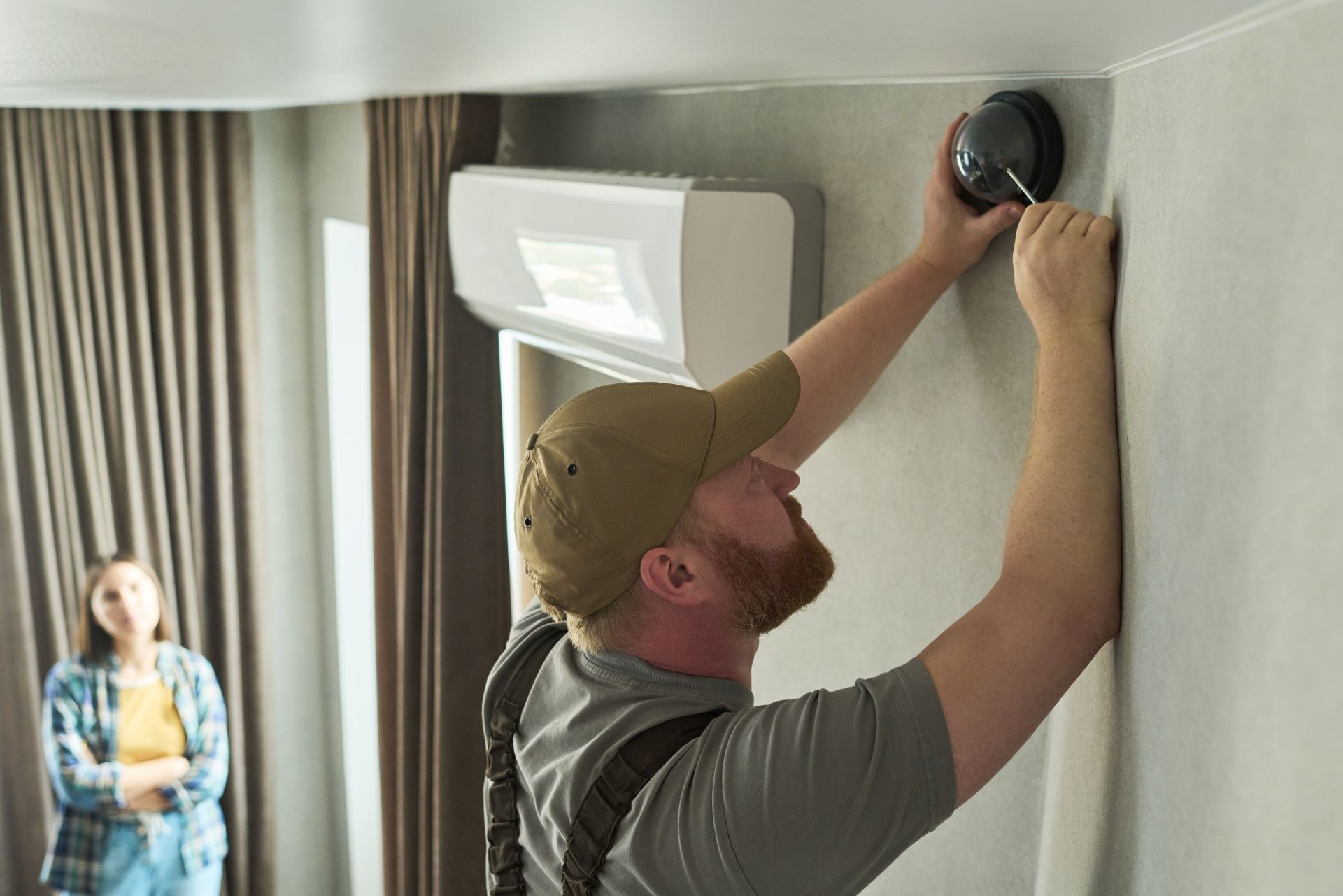
Low voltage, alarm, and CCTV contractors sit at the center of this risk. They handle client keys and codes, connect to networks, and often work above ceilings, inside walls, and on ladders. A dropped camera can crack a marble floor. A short in low voltage wiring can damage a rack of electronics. A missed signal can become the focus of a lawsuit after a break in or fire. The right insurance program is what stands between these day to day hazards and a threat to the business itself.
Why Specialized Insurance Matters For Texas Installers
Alarm and security work does not fit neatly into generic contractor categories. Standard business policies are often built for trades like painting or basic electrical work. They are not always designed for false alarm fines, missed central station signals, or remote access to a client’s network video recorder. This is why many insurance specialists stress that alarm and CCTV installers need coverage built specifically around their operations, not just a one size fits all package.
Industry experts point out that low voltage and alarm companies are exposed to unique liability gaps, especially around monitoring errors, central station failures, and cyber driven events. Some of these losses are not clearly covered under a basic general liability form, which was created mainly for bodily injury and physical property damage. Stone Falls Insurance highlights that alarm and CCTV professionals face risks such as false alarm penalties, signal failures, and cybersecurity threats, and that these exposures call for dedicated protections beyond standard policies as discussed in their overview of liability gaps for alarm and CCTV installers.
Without specialized coverage, even a smaller alarm contractor can find that a serious claim falls into a gray area between policy definitions. That is when lawsuits become personal, owners’ assets are at risk, and jobs with once comfortable profit margins turn into years of financial stress. Thoughtful insurance design is not just a requirement on paper, it is a core part of protecting a security brand and reputation.
Key Risks Facing Texas Alarm, CCTV, and Low Voltage Contractors
Every installation company has its own mix of services, from basic alarm panels and motion sensors, to full scale access control and camera systems. Across these niches, a consistent pattern of risk shows up. Understanding these hazards helps owners decide which coverages to prioritize and how much protection they actually need, instead of simply renewing last year’s package out of habit.
Texas installers operate in homes, ranch properties, apartments, offices, industrial sites, and sensitive facilities such as schools or medical buildings. That diversity creates a wide spectrum of exposure. Claims can come from something as simple as a scratched hardwood floor in a living room, or as serious as an allegation that a system failure allowed a burglary, assault, or fire loss to occur. On top of that, harsh weather, lightning activity, and rapid growth in smart home technology all add layers of complexity.
On site property damage and bodily injury
Traditional job site risks still drive many of the largest claims for low voltage and alarm installers. A technician can drop a drill onto a car windshield, over tighten lag bolts in brittle masonry, or misjudge a ladder placement and fall onto a client’s glass table. Even simple tasks like pulling cable in a finished ceiling can lead to cracks, stains, or broken fixtures if something goes wrong.
These incidents typically trigger claims for property damage or bodily injury. General liability coverage is designed for exactly this type of loss, yet policy limits and exclusions matter. For installers who work in high value homes, luxury retail, or critical facilities, damage that might be minor in an average property can become a five figure bill. Contract requirements may also demand higher limits, especially on commercial projects or government work.
False alarms, missed signals, and monitoring errors
Alarm companies face a category of risk that most other trades never see. False alarms can lead to municipal fines, damage relationships with law enforcement, and frustrate end users to the point where monitoring accounts are canceled. More serious is the possibility of a claimed missed signal, delayed dispatch, or error in handling alarm data at a central station. These events often lead to allegations that the installer or monitoring provider contributed to a theft, fire, or injury.
This is where professional liability and errors and omissions coverage become critical. Policies need to be crafted around the specific services provided, whether the company handles monitoring directly or works with a third party. Contract language between the installer, monitoring center, and end customer should align with the coverage, so responsibilities are clearly defined rather than left to a court to interpret after a loss.
Cyber, remote access, and privacy exposures
Modern alarm and CCTV systems rarely operate in isolation. Devices connect to home routers, cloud platforms, and mobile apps. Installers configure remote logins, port forwarding, and sometimes store credentials or network maps. If a system is compromised and footage is leaked or a property is targeted because of stolen access, the security contractor can be drawn into the claim.
Privacy obligations also apply when cameras capture public areas, shared spaces in multifamily properties, or workspaces that may involve employees, customers, and vendors. Even when the installer is not the data controller in a legal sense, plaintiffs’ attorneys often pursue every party in the chain, arguing that the professional who set up the system should have anticipated privacy or cyber risks.
Texas weather and lightning driven losses
Texas is known for severe weather, and installers feel the impact every time a storm season hits. Lightning, in particular, can damage panels, power supplies, cameras, and low voltage cabling. When multiple devices fail in a single event, system downtime increases and clients sometimes question whether surge protection, bonding, or design choices were adequate.
In one recent year, Texas recorded 4,369 lightning related insurance claims with reported damages totaling about 168 million dollars, highlighting just how exposed the state is to lightning driven incidents
according to loss data discussed by the Insurance Information Institute. That scale of weather activity makes it essential for installers to think about surge protection, grounding, and how their insurance policies respond when mother nature plays a role in system failures or alleged negligence claims.
Core Insurance Coverages For Texas Low Voltage and Alarm Installers
A strong insurance program for alarm, CCTV, and low voltage contractors is rarely a single policy. It is a combination of liability, property, auto, and specialty coverages that work together around the company’s actual operations. The right mix depends on whether the business focuses on residential work, commercial projects, monitoring, design, IT integration, or a blend of all of these.
What follows is a practical breakdown of the main coverage types most Texas installers should at least consider. The goal is not to push every option, but to explain what each one is designed to do, so owners can make informed choices and ask the right questions when speaking with a broker or agent.
General liability insurance
General liability is usually the first policy required on a job. It responds to claims that the business caused bodily injury or property damage to others, as well as certain types of personal injury such as libel or slander. For installers, this is the coverage that can respond when a technician accidentally breaks a window, damages a customer’s equipment, or injures someone during work.
Most commercial and government contracts in Texas specify minimum general liability limits, sometimes based on project size or building type. Installers who sub to larger electrical or construction firms will often find these requirements embedded in master service agreements. Meeting those contract terms is one reason this coverage is viewed as non negotiable for any serious security contractor.
Professional liability and errors & omissions
Professional liability, often called errors and omissions, addresses claims that the company’s advice, design work, programming, or monitoring decisions caused a financial loss. This goes beyond physically breaking something. For alarm businesses, it may involve allegations that a system was not designed correctly, devices were improperly placed, signals were not handled as agreed, or documentation failed to warn of certain limitations.
Many general liability policies do not respond well to these kinds of purely financial or performance related claims. If a commercial client alleges that a poorly designed camera layout allowed internal theft to continue for months, the main allegation may be financial loss without direct physical damage. Professional liability coverage is intended to fill that gap, and it becomes especially important as installers take on more consulting, integration, and complex commercial work.
Workers compensation and employer’s liability
As soon as a business hires technicians or office staff, the risk of on the job injuries becomes real. Security installers climb ladders, carry heavy loads, and work with tools in tight spaces. Even with safety protocols, strains, falls, and minor shocks are part of the job. Workers compensation coverage is designed to provide medical benefits and partial wage replacement when employees are injured in the course of their work.
Employer’s liability coverage, often paired with workers compensation, protects the company against lawsuits that allege negligence in training, supervision, or workplace safety. It can respond when an injured employee or their family pursues damages beyond what workers compensation provides. For growing security companies with teams in the field every day, this bundle of protection should be viewed as foundational.
Commercial auto coverage
Service vehicles are essential for low voltage and alarm work, from compact vans loaded with tools and inventory, to larger trucks that carry lifts or ladders. Personal auto policies generally do not provide adequate protection for vehicles used in business or for employees who drive on behalf of the company. Commercial auto coverage steps in here, addressing liability for accidents, physical damage to company vehicles, and optional coverages such as hired and non owned auto.
Since technicians often drive between multiple job sites in a single day, the exposure builds quickly. Even a minor fender bender can evolve into a bodily injury claim, especially in dense traffic or on major Texas highways. Higher liability limits and clear driver safety policies are a smart pairing with commercial auto insurance to lower both the chance and severity of claims.
Property, tools, and inland marine
Low voltage and alarm installers carry significant value in equipment long before it is mounted on a wall or ceiling. Laptops, testers, specialty tools, and boxes of cameras or access devices live in shops, storage units, and service vehicles. A standard business property policy may not adequately protect equipment that frequently moves between locations.
Inland marine or contractor’s equipment coverage is often used to address mobile gear. This coverage can respond to theft from vehicles, job site losses, and certain types of accidental damage. Since many installers now work with network hardware, servers, and other high value electronics, protecting both owned and customer supplied equipment while in the company’s care is an important conversation to have with an insurance professional.
Cyber and data breach liability
As alarm, access control, and CCTV systems shift deeper into the digital world, cyber coverage has become more important. Installers sometimes handle passwords, IP addresses, VPN credentials, and remote logins. They may maintain customer databases, service logs, and cloud accounts linked directly to live security systems. If that information is compromised, stolen, or misused, the company could be held responsible.
Cyber and data breach liability coverage can help with the costs of investigating an incident, notifying affected parties, hiring legal and technical experts, and dealing with potential regulatory inquiries. Some policies also offer access to breach response coaches or hotlines, which can be invaluable when a security contractor is facing a cyber incident and needs to act quickly and confidently. Wexford Insurance emphasizes that Texas alarm installation contractors should look beyond basic general liability and consider comprehensive policies that respond to both bodily injury and these evolving digital risks, particularly as operations grow in size and complexity
as discussed in their guidance for Texas alarm contractors.
Texas Specific Licensing, Compliance, and Contract Pressures
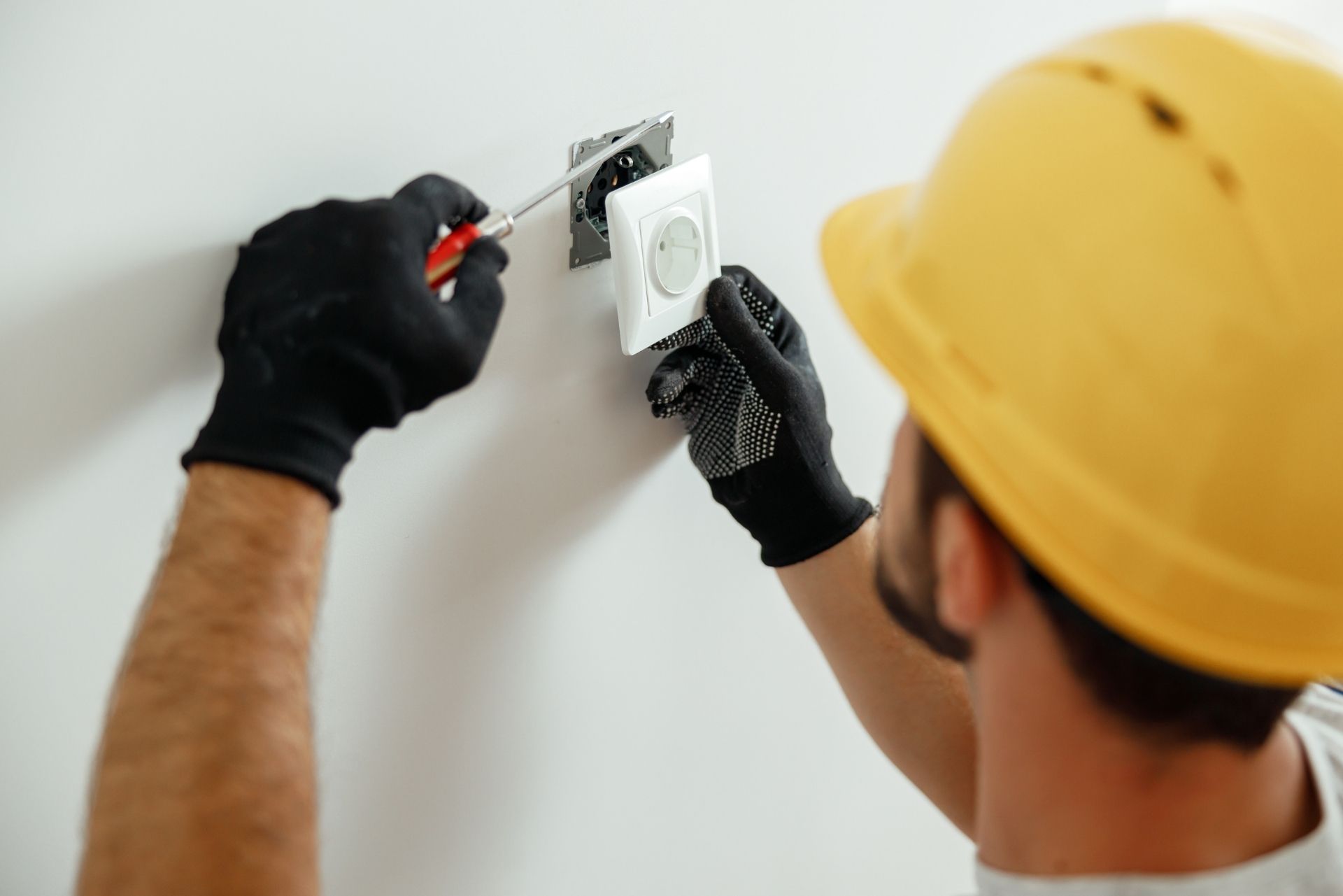
Texas regulates alarm system installation through the Department of Public Safety, which sets education, licensing, and operational standards for the industry. These rules are designed to protect the public and ensure that installers have a clear baseline of technical knowledge. From an insurance perspective, compliance is more than a paperwork issue. Violations can complicate claims and even lead carriers to question coverage if work is performed outside of legal requirements.
State rules require that alarm system installers complete a defined amount of formal instruction, including dedicated training on applicable codes. Texas DPS mandates that alarm system installers receive 16 hours of instruction, with 2 of those hours focused specifically on the National Electrical Code as it applies to low voltage work, in order to help protect public safety and system reliability as set out in the department’s administrative rules. Training, licensing, and supervision not only reduce the chance of errors, they also demonstrate professionalism when negotiating contracts or responding to claims.
Builders and general contractors sometimes want to handle pre wiring or device installation during construction to keep schedules moving. Texas DPS has clarified that builders may install alarm systems during construction if the work is supervised and certified by a licensed professional who assumes full responsibility for the installation. While this specific guidance appears in separate regulatory materials, the underlying message aligns with insurance best practices. Whoever signs off on the work is likely to be viewed as responsible if something goes wrong, so contracts and insurance coverage should match the actual flow of work and accountability on each project.
Smart Home Technology And How Insurance Needs Are Changing
Smart home devices have transformed what many Texans expect from their security systems. Cameras now integrate with doorbells, lighting, voice assistants, and smart locks. Alarm panels connect seamlessly to phone apps and cloud storage. Low voltage contractors are increasingly expected to be both security professionals and network integrators, which expands the risk profile of each job.
Industry research indicates that the global smart home market is expected to grow by about 25 percent annually, creating both opportunity and new vulnerabilities for alarm installation companies that choose to play in this space https://www.eldoradoinsurance.com/alarm-installer-insurance-industry-news/industry-trends-the-impact-of-smart-home-technology-on-alarm-installations/?utm_source=openai Rapid adoption means installers are often the first line of support when devices from different manufacturers do not integrate smoothly, when apps change, or when customers misunderstand what a system can actually do. These expectations can lead to claims if a client believes the installer oversold capabilities or failed to warn about limitations.
On the positive side, smart home growth also permits security companies to build recurring revenue models around monitoring, service plans, and remote support. That can stabilize income and help fund stronger risk management practices, such as standardized device selections, documented network hardening steps, and clear customer education. Insurance programs may need to evolve alongside these business models, adding or expanding professional liability, cyber coverage, and even media or advertising liability as companies market smart, connected services.
Estimating Costs: Balancing Insurance With Everyday Business Expenses
Security contractors across Texas regularly quote project costs, comparing equipment, labor, permits, and integration time. Insurance tends to be viewed as a fixed overhead that sits apart from these job level calculations. A more helpful way to look at it is as a predictable tool for absorbing unpredictable expenses, in the same way surge protection absorbs voltage spikes.
Knowing what property owners are willing to invest in security can also shape how installers think about their own protection. The average price tag for a basic home alarm system installation in Texas, a little over three hundred dollars with a typical range that runs from slightly above two hundred to just under four hundred and fifty dollars, reflects how much value customers place on feeling safer in their homes based on figures from ProMatcher’s Texas home security cost report. When that level of investment and trust is at stake on every project, setting aside a portion of revenue for a well designed insurance package becomes easier to justify.
Rather than chasing the lowest possible premium, many established alarm and low voltage companies work backward from their risk. They think through worst case scenarios: an injury on a large commercial site, a claimed system failure during a burglary, or a fire loss involving their work. They then match those scenarios to policy limits and coverages, while also looking at deductibles and risk management steps such as contracts, training, and standard operating procedures. The result is an insurance spend that feels proportionate to real world exposure, not just a line item to cut during slow months.
Casting Coverage Options Side By Side
Comparing coverage types visually can make it easier for Texas installers to spot gaps or overlap. While every business is different, most will find themselves needing at least several of the following protections. This table offers a simple way to see how they fit together and what role each one plays after an incident.
The examples are intentionally straightforward, reflecting everyday scenarios that actually occur on job sites and in customer relationships. Owners can use this snapshot as a checklist during renewal meetings, asking whether their current policies clearly address these situations or leave open questions that could cause trouble when it matters most.
| Coverage Type | Main Purpose | Practical Example For Installers |
|---|---|---|
| General liability | Protects against claims of bodily injury or property damage to others. | A technician drops a camera on a client’s glass table, shattering it during installation. |
| Professional / errors & omissions | Addresses claims that system design, programming, or monitoring caused financial loss. | A business alleges poor camera placement allowed internal theft to go undetected. |
| Workers compensation | Provides benefits to employees injured while working for the company. | A field tech injures a knee while carrying equipment up a stairwell on a job site. |
| Commercial auto | Covers business owned vehicles and certain employee driving exposures. | A service van rear ends another car while heading to a service call. |
| Property and inland marine | Protects tools, inventory, and equipment in shops, storage, and on the move. | Several cameras and testers are stolen overnight from a locked service vehicle. |
| Cyber liability | Helps pay for costs related to data breaches, hacks, or other cyber incidents. | Stored passwords and network diagrams for client sites are accessed in a cyberattack. |
Frequently Asked Questions
Many Texas alarm and low voltage contractors ask similar questions when they first explore specialized insurance. These quick answers can help frame a more detailed conversation with an experienced broker or advisor. The focus here is on practical concerns that surface in day to day business, not abstract policy jargon.
Every company’s needs are different, so these responses are a starting point, not a substitute for one on one advice. Still, they give owners a clearer sense of what to ask and what to watch for in quotes and policy documents.
Is general liability alone enough for an alarm or CCTV installer?
General liability is a critical foundation, but many security related claims involve alleged system failures, monitoring mistakes, or design issues. Those exposures often fall under professional liability or errors and omissions coverage, which usually requires a separate policy or endorsement specifically tailored to alarm and low voltage work.
Do small, home based security businesses really need specialized coverage?
Yes, even a home based installer can face significant claims if a system is alleged to have failed during a break in or fire. Working from a residence does not eliminate exposure to bodily injury, property damage, or professional liability, and a standard homeowners policy is unlikely to cover these business activities.
What types of contracts should installers have in place before starting work?
Most security contractors benefit from a written service agreement that sets expectations about system performance, monitoring responsibilities, limitations of liability, and response procedures. Clear contracts help align everyone’s understanding and can support the defense if a dispute turns into a claim or lawsuit later.
How does smart home integration change insurance needs?
Smart home work increases reliance on customer networks, apps, and cloud services, which adds cyber and privacy exposures to the traditional mix of physical risks. Installers who regularly configure remote access, manage credentials, or integrate with cloud platforms should discuss cyber liability and enhanced professional coverage with their insurance advisor.
Will better training and licensing reduce insurance costs?
Strong training, licensing, and documented safety practices often help a company present better to insurers, which can improve pricing and coverage options over time. While there are no guarantees, carriers generally prefer businesses that can demonstrate a commitment to professionalism and risk management, especially in a regulated field like alarm and low voltage installation.
Key Takeaways For Texas Low Voltage, Alarm, and CCTV Installers
Texas security contractors operate at the intersection of life safety, property protection, and fast evolving technology. Each project carries both visible risks, such as working on ladders or drilling through finished surfaces, and less visible ones, such as network vulnerabilities or unclear expectations about system performance. A well structured insurance program is one of the few tools that can respond across this entire spectrum when something goes wrong.
State level rules, such as the Texas Department of Public Safety requirement that alarm system installers complete 16 hours of instruction, including 2 hours on the National Electrical Code as it applies to low voltage work, underscore how seriously regulators take the public safety role of this industry as outlined in the DPS administrative rules. When companies pair that regulatory foundation with the right blend of general liability, professional liability, workers compensation, auto, property, and cyber coverage, they are better positioned to survive a major claim and keep serving their clients.
For owners and managers, the path forward is methodical rather than overwhelming. Map out services and risk, review contracts and licensing, then sit down with an insurance professional who understands alarm and low voltage work. The result is not just compliance with project requirements, but real confidence that when a claim or lawsuit arrives, the business has already done the hard work of planning and protection.

About The Author: Mark Braly
As President & CEO of Braly Insurance Group, I’ve built my agency since 1997 on the promise of protecting what matters most for families and businesses across Texas.
With a finance degree from Oklahoma State University and nearly three decades in the industry, I lead a team that offers tailored, local insurance solutions—whether it’s specialized commercial coverage or personal protection.
Outside the office, you’ll find me on the golf course or playing piano, always energized by time with my family and my commitment to giving back through organizations like CASA McKinney.
Testimonials
Real Insurance Clients with Honest Reviews
Braly agency was very honest and professional to work with. They have many resources to choose from and are a full service Insurance Agency. I highly recommend! Caden provided excellent and knowledgeable service throughout the process.


Louis G.
Insurance Client
I have been with the Braly Group for years. Their attentiveness gratitude and all around a good group to take care of your insurance and others needs.
Thanks for being amazing,
Jeff D.
Insurance Client
I have been with the Braly Insurance Group for over 10 years! Absolute professionals who definitely take care of you personally. I trust the Braly Group to give me the best product and price for my insurance needs!
Doug F.
Insurance Client
Everyone at Braly Insurance is always friendly & helpful. Whether you need to file a claim or make changes to your policy they are there to help with whatever you need.
Terry B.
Insurance Client
Business Insurance
Commercial Insurance Policies
General Liability Insurance
Comprehensive protection against lawsuits and other common business risks.
Workers Comp Insurance
Coverage for medical expenses and lost wages due to workplace injuries.
Commercial Property Insurance
Protect your business property from damage, theft, and natural disasters.
Commercial Auto Insurance
Insurance for vehicles used in your business operations, covering accidents and damages.
Professional Liability Insurance
Protection against claims of negligence, errors, and omissions in your professional services.
Industry-Specific Insurance
Businesses We Serve
Plumber Insurance

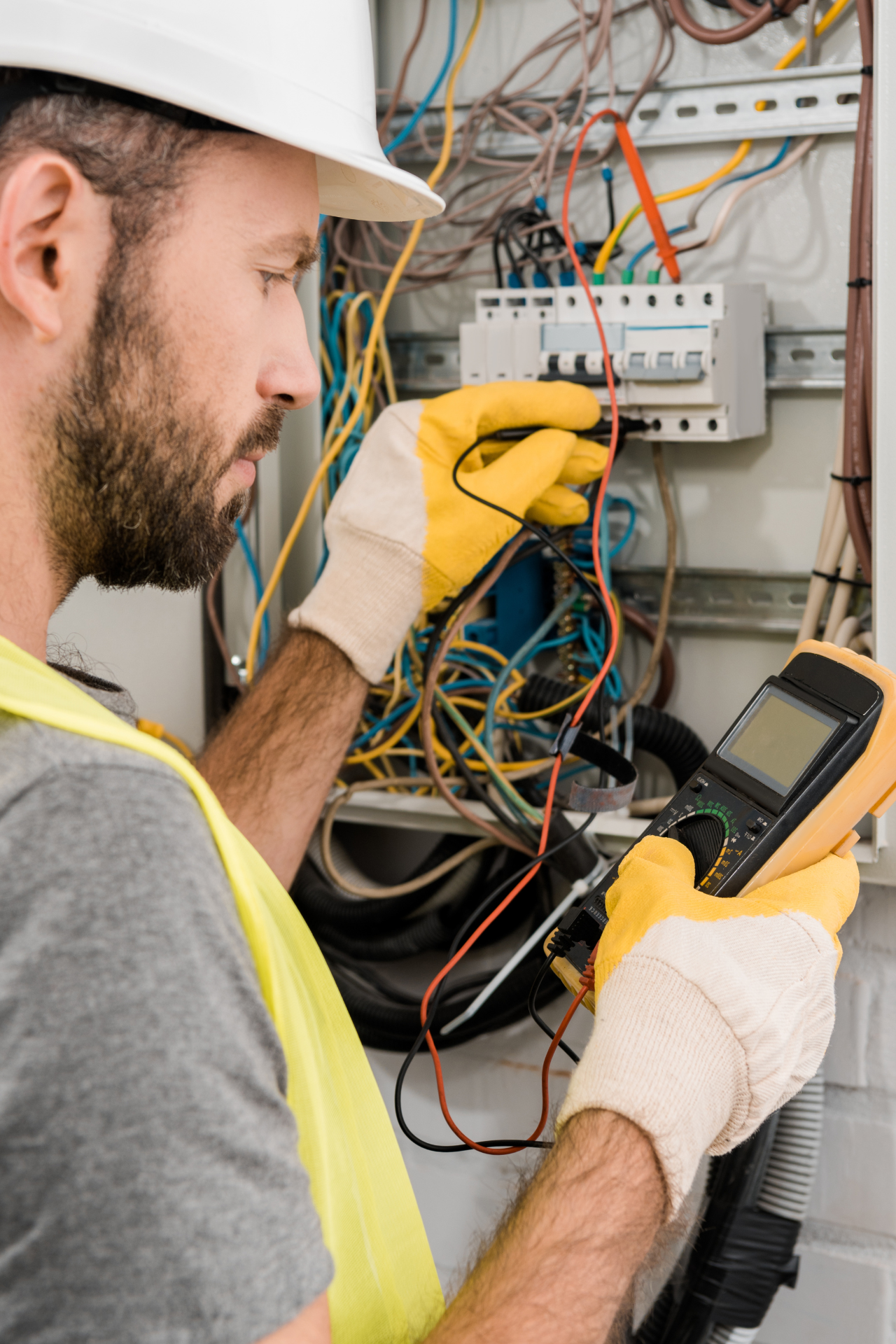
Electrician Insurance
Hotel Insurance

Software Insurance

Restaurant Insurance

Manufacturer Insurance

FAQs
Frequently Asked Question About Braly Insurance Group
What's the difference between an independent insurance agent and a captive agent?
Independent insurance agents, like those at Braly Insurance Group, offer a wide range of insurance products from multiple companies, allowing them to compare policies and find the best fit for your needs. Captive agents are tied to a single insurance company and can only offer products from that provider. Choosing an independent agent in Texas provides access to a broader selection of options, ensuring a more personalized and cost-effective insurance solution.
Why should I choose an independent insurance agent in Texas?
Opting for an independent insurance agent in Texas means receiving personalized, unbiased advice across a wide spectrum of insurance options. Independent agents source policies from multiple companies, tailoring coverage to your specific needs, often at more competitive prices. They possess a thorough understanding of local insurance requirements and risks, ensuring your coverage is both comprehensive and relevant to Texas.
What are the typical insurance types offered by independent agents in Texas?
Independent agents in Texas typically provide a broad range of insurance types, including homeowners, auto, life, and umbrella policies, as well as specialized coverage like motorcycle and condo insurance. They offer customized solutions for various situations, ensuring you have access to policies that match your specific needs, whether you're protecting your family, home, vehicle, or personal assets.
What's the cost to collaborate with an independent insurance agent in Texas?
Engaging with an independent insurance agent in Texas usually doesn't involve any direct costs or fees for their advisory services. Agents earn commissions from the insurance companies for the policies they sell, allowing you to benefit from their expertise and personalized service without incurring additional expenses. Their objective is to secure the best coverage for you at the most competitive rates, aligning with your financial and insurance needs.
Why should I partner with a local independent insurance agent?
Partnering with a local independent insurance agent offers numerous advantages. They have a profound understanding of Texas' unique insurance needs and challenges, providing advice and solutions tailored to the local context. Local agents are readily available for face-to-face meetings, offering a level of personalized service that larger, non-local agencies can't match. Their commitment to the community means they're dedicated to finding the best insurance solutions for their neighbors, adding a personal touch to their professional services.
Personal Insurance options
Our Complete Range of Personal Insurance Solutions

Home Insurance
Protect your home with comprehensive coverage tailored to your needs. Secure your peace of mind today.
01

Car Insurance
Drive confidently with our customizable auto insurance plans designed for every driver and vehicle.
02


Boat Insurance
Enjoy your time on the water with our reliable boat insurance, covering damages and liabilities.
04


RECENT POSTS
Get the Latest Updates



Contact Us