
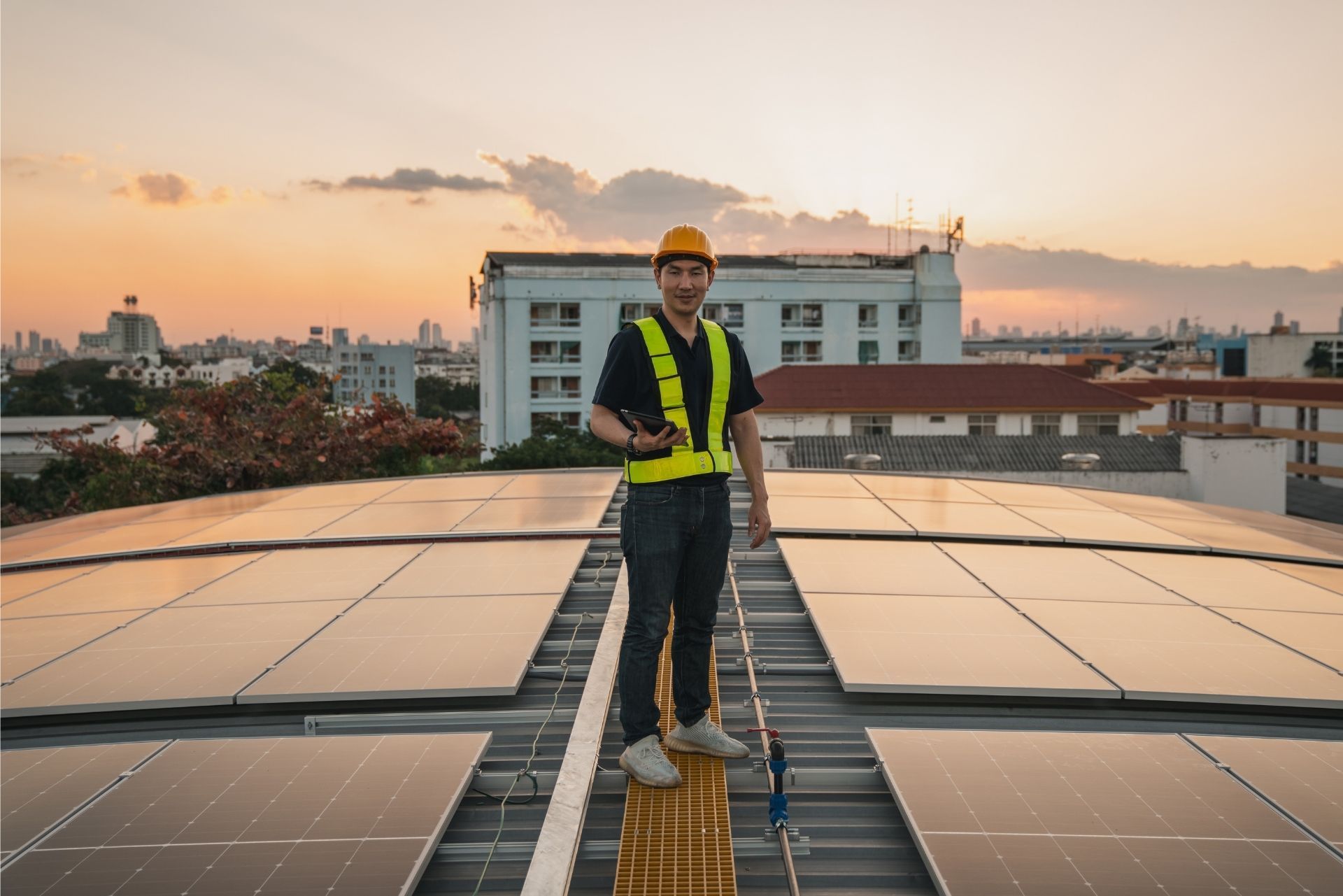
A solar crew can do everything right on a Texas project, hit the final inspection, and still watch a single storm undo months of work. In recent years, insured losses from U.S. severe convective storms have exceeded 50 billion dollars for the second consecutive year, and large solar farms have been squarely in that loss picture. Installers that design, build, and maintain these systems sit on the front line, both operationally and financially.
Insurance is one of the few tools that can keep a business from going under after a major claim. Yet for many Texas solar contractors, policies have become more complex, more expensive, and harder to compare. Standard construction insurance language often does not reflect hail risk, high wind exposure, or the contractual demands of utility-scale solar projects.
This overview breaks down the main types of insurance Texas solar installers typically need, how weather and the Texas insurance market are reshaping coverage, and practical steps to keep protection strong without overpaying. It is written for owners, project managers, and risk managers who want clear, plain-language guidance, not dense policy jargon.
Why Texas Solar Installers Face Unique Risk Pressures
Solar work in Texas carries the usual contractor exposures: jobsite injuries, property damage, design mistakes, and auto accidents. The difference is the concentration of projects in wide open, weather-exposed areas. Utility-scale sites are often built on flat land where hail and straight-line winds can travel without much to slow them down.
Hail risk is not just a perception issue. In a recent look at hail patterns, Louisiana saw 65 percent more days with one inch hailstones than its 20-year trend in 2023, while Texas experienced 42 percent more days with hail of that size than average. More frequent hail days mean more chances for panels, racking, vehicles, and roof surfaces to be damaged while crews are responsible for them.
Solar arrays also create a different loss profile than most traditional commercial buildings. A single hailstorm can damage tens of thousands of panels across hundreds of acres. Even if only a portion are visibly broken, microcracks and hidden damage can degrade performance and trigger disputes about whether replacement or repair is required. That volume of assets in one place is exactly what worries insurers.
On top of this, many Texas projects are financed by lenders or tax equity partners who demand strict contractual protections. Those contracts may require installers to carry high liability limits, name multiple parties as additional insureds, and accept broad indemnity obligations. If insurance policies are not carefully aligned with those contracts, the installer can end up promising more than their coverage will actually pay.
The result is a mix of physical risk and contractual risk that looks very different from a small general contractor or electrician. Understanding how each type of coverage responds to that risk is the foundation of a solid insurance strategy.
Core Insurance Coverages Every Texas Solar Installer Should Consider
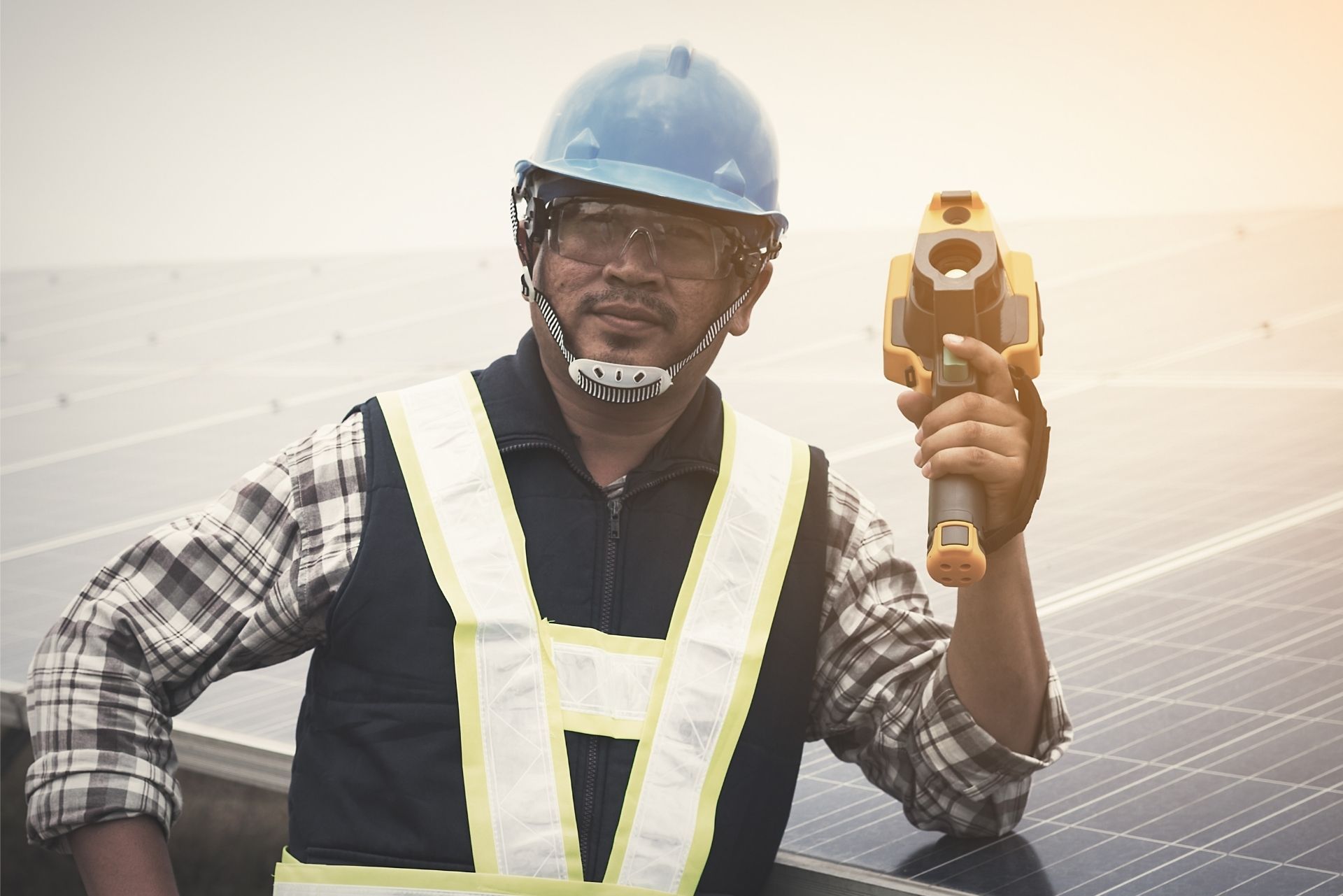
A good insurance program for a Texas solar installer is built from several core policies that work together. The exact mix depends on whether the business focuses on residential rooftops, commercial projects, utility-scale work, or a blend, but the building blocks tend to be similar.
Thinking about each policy in terms of what specific problem it solves makes it easier to see gaps, overlaps, and opportunities to negotiate better terms.
General Liability Insurance: Protecting Against Third-Party Claims
Commercial general liability is usually the first policy requested on a certificate of insurance. It covers bodily injury and property damage to others arising out of the installer’s operations, as well as some personal and advertising injury exposures. For solar contractors, this can include things like a client tripping over conduit, roof leaks traced back to penetrations, or damage to a customer’s property during panel delivery.
Key details matter. Installers should pay close attention to exclusions related to roofing, work at height, residential construction, or designated ongoing operations. Some policies also include restrictions on work involving certain types of electrical systems. If a carrier views solar as “high hazard,” it may try to narrow coverage or impose higher deductibles, especially for completed operations.
Contractual liability is another important piece of the general liability policy. Many project agreements require the installer to indemnify owners, developers, or general contractors. The general liability form is what usually responds to those obligations, so any broad exclusions for contractually assumed liability can leave the installer exposed to self-funded claims.
Professional Liability and Errors & Omissions
Solar installers often provide design assistance, system layout, production estimates, or advice on code compliance and interconnection. When those services go wrong, the resulting loss is not always physical damage. It might be an underperforming system, lost tax incentives, or penalties from a utility or authority having jurisdiction.
Professional liability, sometimes called errors and omissions coverage, is designed for these kinds of financial loss claims. A standard general liability policy typically does not respond when the only alleged damage is economic. For example, a system that consistently produces less energy than promised can trigger an investor lawsuit even if no panels are broken.
Installers that stamp drawings, provide engineering services, or take on system performance guarantees should be especially cautious. They may need a stand-alone professional liability policy or an endorsement that broadens their coverage. Paying attention to retroactive dates, claim reporting requirements, and sublimits for design work is critical in this area.
Workers Compensation in the Texas Solar Market
Solar installation is physical, high-exposure work. Crews climb roofs, handle heavy equipment, operate lifts, and work around live electrical systems. A well-structured safety program can reduce injuries, but it cannot eliminate them entirely. Workers compensation and employers liability coverage is what pays medical bills, lost wages, and related costs when employees get hurt on the job.
Texas has some unique features in this line of coverage. According to the Texas workers compensation market report, the state is now the fourth largest workers comp market in the United States and this coverage is described as the only consistently profitable line in Texas. That mix of size and relative stability can benefit solar installers who demonstrate strong safety performance and clear subcontractor controls.
Even though some Texas employers can opt out of the statutory workers compensation system, many project owners and general contractors require it by contract. Non-subscribers face different legal and financial exposures if a worker is injured. For solar installers bidding on large commercial or utility-scale jobs, carrying traditional workers compensation coverage is often the simplest way to satisfy contract demands and protect the business.
Commercial Property, Equipment, and Inland Marine
Solar contractors rely on specialized tools, lifts, vehicles, and sometimes warehouse or office space. Commercial property insurance covers buildings and business personal property, while inland marine or contractors equipment coverage protects tools and machinery that move from site to site. Both become increasingly important as a company scales up.
For solar work, equipment theft from jobsites and yards can be a major problem. Copper wire, specialized inverters, and even pallets of panels are attractive targets. Policies should be reviewed to confirm whether theft from vehicles, temporary storage, or unsecured locations is covered, and whether any protective safeguards are required.
Installers that hold customer-owned panels or materials at their premises or on a project before installation should pay attention to how “property of others” is handled. In some cases, a builders risk or installation floater is a better fit for goods in transit and on site, especially for larger projects where the value of equipment on the ground at any given time can be substantial.
| Coverage Type | Main Purpose | Why Tree ServiceTypical Claims For Solar Installers s Need It’s Higher Risk | Key Things To Check |
|---|---|---|---|
| General Liability | Protects against third-party bodily injury and property damage. | Roof leaks, client injuries on site, damage to customer property. | Exclusions for roofing, residential work, height, and completed operations. |
| Professional Liability | Covers financial loss from errors in design or advice. | Underperforming systems, design mistakes, code compliance issues. | Retroactive date, design sublimits, and claim reporting rules. |
| Workers Compensation | Pays medical costs and lost wages for injured employees. | Falls, strains, electrical injuries, equipment accidents. | Subcontractor arrangements, experience rating, and safety programs. |
| Property & Equipment | Protects buildings, inventory, tools, and machinery. | Theft of tools, damaged lifts, warehouse fires, storm damage. | Coverage for mobile tools, theft limitations, and valuation method. |
Storm, Hail, and Weather-Driven Coverage Issues
Texas solar installers cannot treat hail and storm coverage as an afterthought. Traditional property or builders risk policies were often written with single buildings in mind, not sprawling arrays of glass and aluminum in open fields. As claims have increased, insurers have responded with tighter language, higher deductibles, and more sublimits for weather perils.
One underwriter study highlighted the scale of the problem. Research by GCube Insurance found that hail damage made up just 1.4 percent of insurance claims filed for U.S. solar projects, yet accounted for 54 percent of total solar losses. That imbalance shows why hail is treated so differently from more routine claims like theft or minor wind damage.
For installers, the first step is understanding exactly how hail and wind are defined in each policy. Some carriers use percentage deductibles based on the total insured value at a site, which can leave the contractor or project owner responsible for a significant share of any loss. Others cap hail coverage with a separate sublimit, regardless of the overall project value.
Builders risk or installation floater policies are critical while projects are under construction. They cover panels, racking, inverters, and related materials before the system is commissioned. It is not enough to assume that the owner or developer has taken care of this. Installers should make sure contracts clearly assign responsibility for builders risk and verify that the coverage matches what is promised.
Some projects are starting to explore creative risk transfer options, such as parametric hail coverage that pays based on measured hail size at the project location rather than on traditional physical loss adjustment. While these products do not replace standard property or builders risk insurance, they can help smooth out cash flow after an extreme event and provide funds for deductibles, upgrades, or business interruption costs.
Weather risk also affects liability coverage. After a major storm, disputes may arise about whether damage was caused by hail, poor workmanship, or both. If panels detach because of fastener issues, for example, an insurer may try to classify the event as faulty installation rather than a covered storm loss. Careful documentation of construction standards, torque settings, and quality control helps defend against those arguments.
How Texas Insurance Market Conditions Affect Solar Installer Policies
Even the best risk management practices operate within the broader Texas insurance market. Carriers look at the profitability of their overall portfolios in the state, not just one solar account, when they decide whether to write new business or renew existing policies. As natural catastrophe losses have grown, appetites for weather-exposed risks have shifted.
The state’s property and casualty market is both large and crowded. A recent Texas property and casualty market report highlighted about 83.1 billion dollars in direct written premiums in 2024, with more than 1,167 insurance groups and over 3,107 companies writing coverage in Texas. That depth of carriers means solar installers have options, but it also reflects a competitive environment where underwriters are under pressure to manage catastrophe exposure carefully.
For solar contractors, this often shows up in the form of stricter underwriting questions, closer scrutiny of project locations, and greater demand for engineering reports. Carriers may differentiate between rooftop residential work in urban areas, commercial roofs in moderate risk zones, and utility-scale ground-mount projects in counties with a history of large hail.
Insurance brokers who understand both the Texas market and the solar sector can help position a contractor’s story effectively. That includes highlighting safety performance, loss history, quality of design practices, and the installer’s track record with difficult projects. In a market where carriers can be selective, presenting a clear risk profile often makes a noticeable difference in pricing and terms.
Managing Costs And Strengthening Your Risk Profile
Insurance premiums are one of the few project costs that installers can influence indirectly through their own choices. The goal is not just to chase the lowest price in a given year, but to become the type of risk that carriers are eager to retain even when markets harden.
Safety is the most obvious place to start. Consistent fall protection practices, electrical safety training, lockout-tagout procedures, and vehicle fleet controls all reduce the frequency and severity of claims. Documented safety programs and regular toolbox talks are not just good practice; they also give underwriters confidence that the company takes risk seriously.
Quality control on design and installation helps reduce both property and liability losses. Standardized mounting details, clear inspection checklists, and photo documentation throughout construction can prevent failures and support the installer’s position if something goes wrong. For projects that involve structural modifications or high wind areas, partnering with qualified engineers and keeping their recommendations on file strengthens the defense against negligence allegations.
Contract management is another major cost driver. Before signing, each contract should be reviewed for indemnity clauses, insurance requirements, and waiver of subrogation provisions. If the agreement requires coverage forms or limit structures that differ from the installer’s current program, that needs to be raised with the broker early. Waiting until the last minute can lead to rushed changes, unnecessary expenses, or even project delays.
Finally, claims handling practices influence long-term costs. Prompt reporting, straightforward communication, and cooperation with adjusters usually lead to faster resolutions and lower friction. Keeping internal notes on what led to each claim and what has been changed to prevent a repeat signals to the insurer that the contractor treats each loss as a learning opportunity, not just an unavoidable cost of doing business.
Frequently Asked Questions About Texas Solar Installer Insurance
Solar contractors across Texas often wrestle with similar questions when they review insurance quotes or negotiate contracts. Addressing those common concerns can make policy decisions less stressful and help avoid unpleasant surprises during a claim.
What types of insurance does a typical Texas solar installer need?
Most installers carry general liability, workers compensation, commercial auto, and property or equipment coverage. Depending on their operations, they may also need professional liability, builders risk or installation floaters, and umbrella or excess liability to satisfy contract limits. Residential-only installers might have a slightly different mix than those working on large commercial or utility projects.
Is builders risk always the installer’s responsibility?
Not necessarily. Some project owners or developers arrange builders risk insurance that covers all parties on the job, while others expect the installer or general contractor to secure it. The key is to confirm in writing who is responsible and to verify that the purchased policy actually lists the installer as a named or additional insured before major materials arrive on site.
How do hail deductibles work on solar projects?
Many property and builders risk policies use percentage deductibles for hail, calculated against the total insured value at a project location. On large arrays, that can translate into a high out-of-pocket cost for even a single event, so it is important to understand the math and consider whether higher premiums for a smaller deductible make sense in high-risk counties. Some projects may explore supplemental options, such as parametric products, to help absorb that first layer of loss.
Does professional liability matter if the installer is not an engineer?
Yes, it can. Even without sealing drawings, installers often provide layout advice, performance estimates, and product recommendations that owners rely on. If a system fails to meet expectations or is found noncompliant with code because of that advice, a professional liability policy may be the only coverage that responds to the resulting financial loss.
What can a small solar contractor do if premiums suddenly jump?
When prices spike, it helps to take a step back and review the whole risk picture rather than just shopping for cheaper quotes. Contractors can work with their broker to adjust deductibles, confirm that limits match contractual needs, and prioritize coverages that protect against truly catastrophic losses. Strengthening safety, improving documentation, and tightening subcontractor agreements can also set the stage for better pricing at the next renewal.
Are Texas installers required by law to carry workers compensation?
Some Texas employers choose not to participate in the statutory workers compensation system, but that choice comes with different legal exposures if an employee is injured. Many project owners and general contractors still require traditional workers compensation coverage as a condition of doing business, so installers need to balance legal options with practical market expectations.
Key Things Texas Solar Installers Should Remember
Solar insurance in Texas is changing quickly because weather risk is changing quickly. As one sustainability leader put it, the insurance industry is the canary in the coal mine for the climate crisis we are facing, and the solar sector is feeling that pressure through rising deductibles, tighter underwriting, and closer scrutiny of project locations.
Texas installers that thrive under these conditions tend to treat insurance as part of a broader risk strategy, not just a last-minute box to check for a project. They know which policies protect which exposures, they match their coverage to the contracts they sign, and they invest in safety, quality, and documentation so carriers see them as better-than-average risks.
Putting that structure in place takes some effort, but it pays off in fewer surprises, more stable premiums over time, and a stronger position when negotiating both contracts and renewals. For solar businesses that expect to keep growing across Texas, a thoughtful insurance program is as essential as skilled crews and reliable equipment.

About The Author: Mark Braly
As President & CEO of Braly Insurance Group, I’ve built my agency since 1997 on the promise of protecting what matters most for families and businesses across Texas.
With a finance degree from Oklahoma State University and nearly three decades in the industry, I lead a team that offers tailored, local insurance solutions—whether it’s specialized commercial coverage or personal protection.
Outside the office, you’ll find me on the golf course or playing piano, always energized by time with my family and my commitment to giving back through organizations like CASA McKinney.
Testimonials
Real Insurance Clients with Honest Reviews
Braly agency was very honest and professional to work with. They have many resources to choose from and are a full service Insurance Agency. I highly recommend! Caden provided excellent and knowledgeable service throughout the process.


Louis G.
Insurance Client
I have been with the Braly Group for years. Their attentiveness gratitude and all around a good group to take care of your insurance and others needs.
Thanks for being amazing,
Jeff D.
Insurance Client
I have been with the Braly Insurance Group for over 10 years! Absolute professionals who definitely take care of you personally. I trust the Braly Group to give me the best product and price for my insurance needs!
Doug F.
Insurance Client
Everyone at Braly Insurance is always friendly & helpful. Whether you need to file a claim or make changes to your policy they are there to help with whatever you need.
Terry B.
Insurance Client
Business Insurance
Commercial Insurance Policies
General Liability Insurance
Comprehensive protection against lawsuits and other common business risks.
Workers Comp Insurance
Coverage for medical expenses and lost wages due to workplace injuries.
Commercial Property Insurance
Protect your business property from damage, theft, and natural disasters.
Commercial Auto Insurance
Insurance for vehicles used in your business operations, covering accidents and damages.
Professional Liability Insurance
Protection against claims of negligence, errors, and omissions in your professional services.
Industry-Specific Insurance
Businesses We Serve
Plumber Insurance
Electrician Insurance
Hotel Insurance

Software Insurance

Restaurant Insurance

Manufacturer Insurance

FAQs
Frequently Asked Question About Braly Insurance Group
What's the difference between an independent insurance agent and a captive agent?
Independent insurance agents, like those at Braly Insurance Group, offer a wide range of insurance products from multiple companies, allowing them to compare policies and find the best fit for your needs. Captive agents are tied to a single insurance company and can only offer products from that provider. Choosing an independent agent in Texas provides access to a broader selection of options, ensuring a more personalized and cost-effective insurance solution.
Why should I choose an independent insurance agent in Texas?
Opting for an independent insurance agent in Texas means receiving personalized, unbiased advice across a wide spectrum of insurance options. Independent agents source policies from multiple companies, tailoring coverage to your specific needs, often at more competitive prices. They possess a thorough understanding of local insurance requirements and risks, ensuring your coverage is both comprehensive and relevant to Texas.
What are the typical insurance types offered by independent agents in Texas?
Independent agents in Texas typically provide a broad range of insurance types, including homeowners, auto, life, and umbrella policies, as well as specialized coverage like motorcycle and condo insurance. They offer customized solutions for various situations, ensuring you have access to policies that match your specific needs, whether you're protecting your family, home, vehicle, or personal assets.
What's the cost to collaborate with an independent insurance agent in Texas?
Engaging with an independent insurance agent in Texas usually doesn't involve any direct costs or fees for their advisory services. Agents earn commissions from the insurance companies for the policies they sell, allowing you to benefit from their expertise and personalized service without incurring additional expenses. Their objective is to secure the best coverage for you at the most competitive rates, aligning with your financial and insurance needs.
Why should I partner with a local independent insurance agent?
Partnering with a local independent insurance agent offers numerous advantages. They have a profound understanding of Texas' unique insurance needs and challenges, providing advice and solutions tailored to the local context. Local agents are readily available for face-to-face meetings, offering a level of personalized service that larger, non-local agencies can't match. Their commitment to the community means they're dedicated to finding the best insurance solutions for their neighbors, adding a personal touch to their professional services.
Personal Insurance options
Our Complete Range of Personal Insurance Solutions
Home Insurance
Protect your home with comprehensive coverage tailored to your needs. Secure your peace of mind today.
01
Car Insurance
Drive confidently with our customizable auto insurance plans designed for every driver and vehicle.
02


Boat Insurance
Enjoy your time on the water with our reliable boat insurance, covering damages and liabilities.
04

RECENT POSTS
Get the Latest Updates



Contact Us