

The economics of hot shot trucking in Texas hinge on more than just fuel and maintenance expenses. Insurance coverage plays a pivotal role. Rising claims costs and unique risk profiles affect every carrier. For an in-depth look at premiums and coverage options,
hot shot insurance statistics offer a window into current trends in the state.
Understanding Hot Shot Trucking and Its Insurance Needs
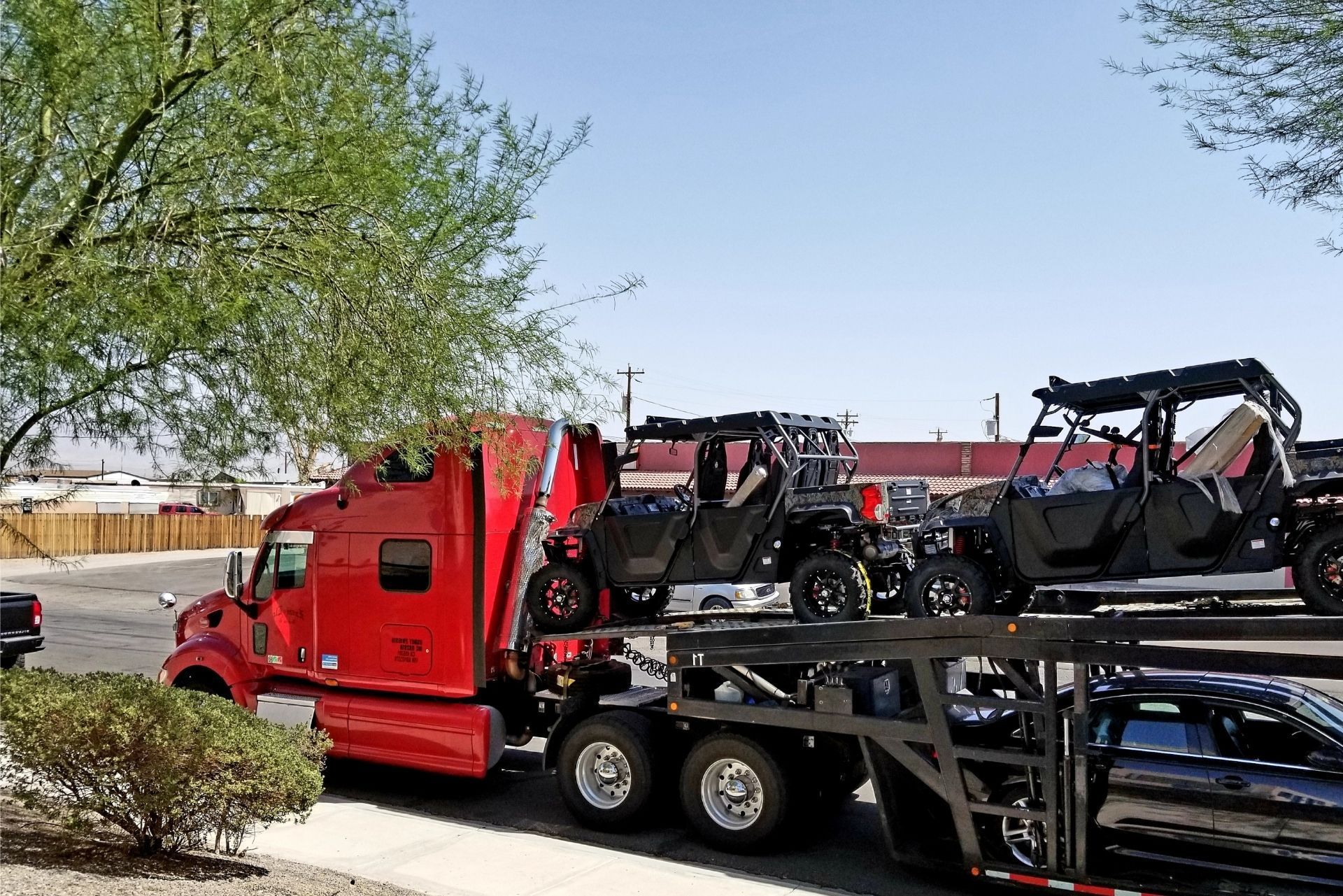
Hot shot trucking involves expedited deliveries that often require rapid response times and flexible operations. This segment of the transportation industry necessitates specialized insurance coverage, as the risks differ from those of a standard long-haul trucking operation. Hot shot carriers are frequently tasked with transporting time-sensitive loads, which can include high-value or fragile items that demand careful handling.
Texas, with its sprawling network of highways and significant commerce activity, remains a cornerstone for hot shot trucking operations. The inherent challenges in Texas-ranging from fluctuating weather conditions to urban congestion-mean that carriers must be diligent in securing comprehensive coverage that protects every aspect of their business.
Insurance policies for hot shot trucking companies are tailored to cover critical exposures. These typically include general liability and cargo coverage, alongside specialized endorsements that address the nuances of expedited shipping. The
cost metrics for hot shot truck insurance in Texas reflect a balance between risk management and operational efficiency.
Decoding Insurance Premiums for Hot Shot Trucking
Factors That Impact Premium Costs
Insurance premiums for hot shot trucking can vary widely. Several factors drive these differences, including the business's operating radius, cargo type, and claims history. The type of cargo, whether it is high-value electronics, automotive parts, or perishable goods, greatly influences the risk level and the cost of coverage.
Driving records, both of the company and individual drivers, also impact rates. A clean record tends to result in more affordable premiums, whereas any history of accidents or claims may lead to higher costs. Additionally, the geographic area of operation matters greatly. Operating in urban centers like Houston or Dallas can expose companies to increased risk due to higher traffic density and complex road networks.
Expert industry sources underline that a company's overall risk profile is essential in determining the final premium. Insurers assess these various factors to ensure that the coverage aligns with the actual exposure faced by hot shot carriers.
Average Annual Premiums for Hot Shot Trucking
Current research shows that hot shot trucking insurance in Texas can range between $10,000 and $30,000 per vehicle annually, depending on factors like cargo, driving records, and operating regions (statistic reference). However, recent data also suggest a possible range of $8,000 to $15,000 per year for one truck and one driver (cost breakdown).
For companies requiring higher levels of protection, monthly premiums for a $1 million general liability policy may total around $212, translating to approximately $2,544 annually (insurance quote analysis). This variance highlights that while some businesses benefit from competitive rates due to a lower risk profile, others may face steeper costs when the risk of claims increases.
Understanding these averages is critical as it provides insights into the kind of financial planning and risk management strategies drivers and companies need to adopt in this dynamic industry.
General Liability and Cargo Coverage
General liability insurance is a cornerstone of coverage for any trucking operation. For hot shot trucking companies, this type of policy helps cover third-party property damage and bodily injury claims that may arise during operations. Because expedited deliveries often involve high-value or delicate cargo, specialized cargo coverage is equally important.
This dual-layer protection ensures that if an accident occurs, both the carrier’s assets and the interests of their clients are safeguarded. Companies may need to consider endorsements or additional riders to tailor their policies to specific operational needs. These enhancements provide an extra buffer against unanticipated risks that might otherwise jeopardize business stability.
A well-rounded policy package also addresses non-traditional risks. The inevitable economic impact of a claim on operational margins underscores the need for comprehensive coverage. As reports have noted, rising claims costs are already impacting profit margins for several carriers (recent claims trends).
Additional Endorsements and Tailored Policies
Beyond standard coverage, many carriers find it beneficial to invest in additional endorsements. One popular option is non-trucking liability, which covers incidents that occur when drivers are not on company business. This endorsement is particularly useful for small operators using their vehicles for personal matters outside standard routes.
Another key policy enhancement is physical damage coverage. Given the heavy use and persistent operational hours, trucks face elevated risks of collisions, vandalism, or natural disasters. Tailored policies ensure that the cost of repairs or replacement does not destabilize business finances.
Customizing insurance solutions often involves consultations with brokers who specialize in hot shot trucking. These experts can pinpoint coverage gaps in standard policies and recommend enhancements that reflect a particular company’s risk exposure. This proactive approach results in a policy that is as dynamic as the business it protects.
The Financial Impact of Commercial Vehicle Accidents in Texas
Understanding the Scope of Economic Costs
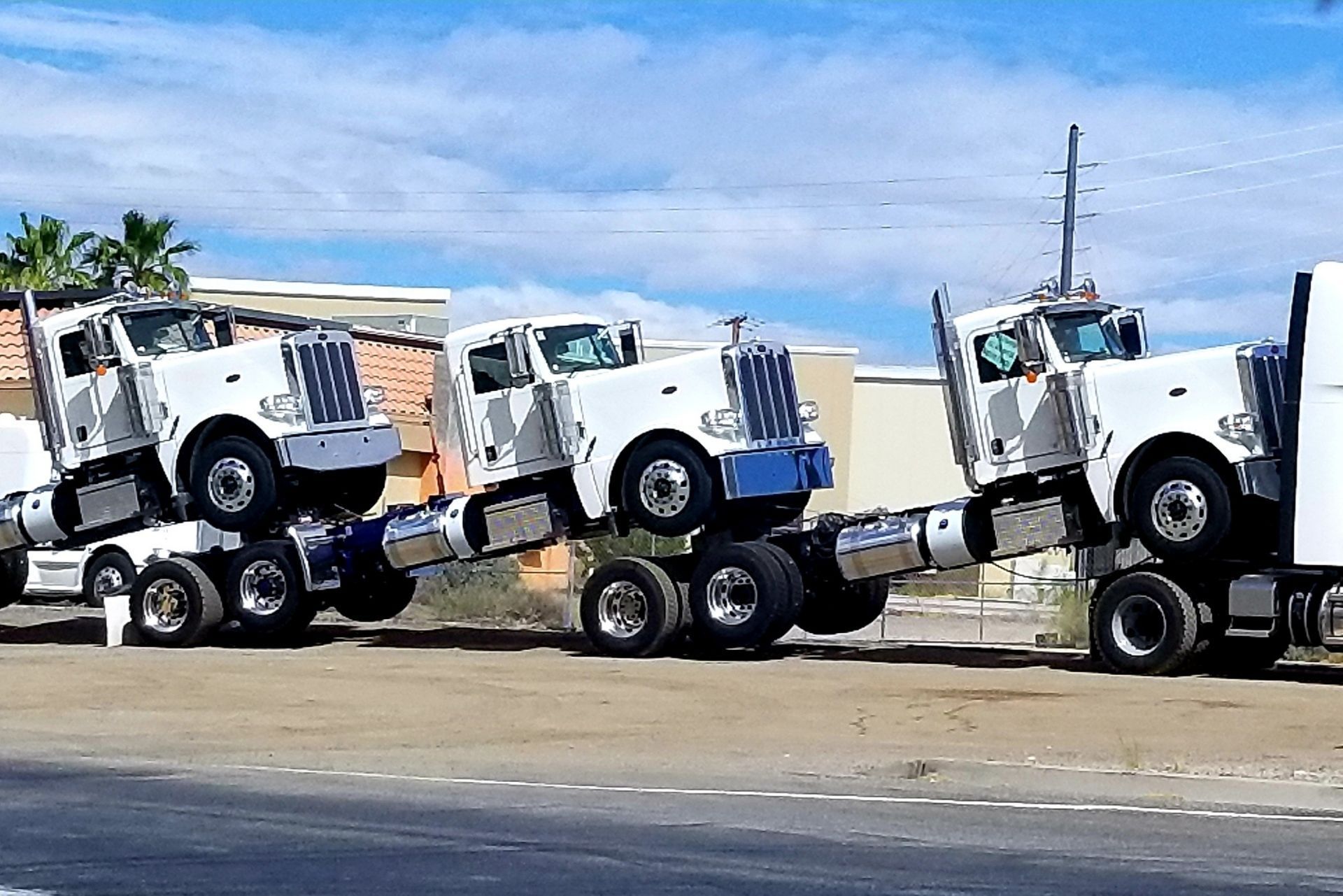
In Texas, the financial repercussions of commercial vehicle accidents extend well beyond the immediate claims paid. Studies have indicated that when considering both direct and indirect costs, such incidents impose an economic burden exceeding $26 billion annually (economic impact study) in the state.
These figures reflect not only the immediate costs of repairs and medical bills but also the lost productivity, legal expenses, and even environmental cleanup costs that may follow major incidents. For hot shot trucking companies, this statistic underscores the importance of maintaining adequate coverage, as a single event can jeopardize years of hard-earned profits.
Given this economic landscape, carriers must balance the expense of comprehensive insurance against the potential financial fallout from accidents. It is a calculated decision that weighs the costs of protection against the far-reaching impacts of accident-related claims.
Risk Mitigation and Cost Management Strategies
To combat the rising trend of insurance and claims costs, companies are increasingly investing in risk mitigation strategies. These include enhanced driver training programs, advanced safety technologies, and rigorous vehicle maintenance protocols. By reducing the likelihood of accidents, carriers can not only diminish their claim frequency but also improve their overall risk profile.
Some operators have adopted telematics and real-time tracking systems. These technologies help monitor driver behavior and ensure adherence to safe driving practices, reducing the risk of incidents that lead to costly claims. The investment in safety thus often yields dividends in lower insurance premiums over time.
Adjusting operational practices is equally critical. Revising route management, reviewing cargo-handling procedures, and investing in driver wellness programs can collectively help lower overall claims. As insurance companies become ever more data-driven, demonstrating a commitment to safety can lead to more favorable premium adjustments during policy renewals.
Evaluating Premium Trends in a Competitive Market
Competitive Pricing Amidst Variable Risks
Texas hot shot trucking faces a complicated insurance landscape influenced both by market competition and the specific risks inherent to the industry. Premiums generally reflect a balance between a carrier's risk profile and the competitive pressures of the market. Insurance carriers continuously reassess rates based on emerging claims data and ever-shifting operational risks.
Statistics suggest that the average cost for hot shot trucking insurance in Texas can vary considerably. Some data points indicate premiums ranging from $10,000 to $30,000 per vehicle per year (premium statistics), while other analyses indicate a lower range for one truck and one driver. Understanding these trends requires carriers to compare policies and weigh coverage benefits against costs carefully.
The competitive dynamics in the insurance market ensure that carriers have multiple options. This pressure often forces insurers to streamline their coverage packages and offer additional risk-based discounts, which can benefit operators who demand high safety standards and implement robust risk management systems.
How Market Shifts Influence Premium Rates
Insurance premiums are not static. They rise and fall as insurers react to new claims data, regulatory changes, and economic conditions. Recent industry developments point to an upward trend in claims costs, spurred by a combination of rising repair expenses and litigation, including so-called nuclear verdicts (industry report).
This trend means that even carriers with strong safety records may face premium increases during policy renewals, simply because the overall risk environment has shifted. It also reinforces the importance of continuous risk evaluation and proactive management strategies. Maintaining an excellent claims history and reducing operational hazards are more important than ever in a market where every claim can drive future costs higher.
Understanding the interplay between market trends and individual risk is essential for hot shot carriers. Regular reviews of policy terms and market comparisons ensure that companies remain competitive and well-protected, even as external factors push premiums upward.
Customizing Coverage to Fit Unique Business Models
Tailoring Insurance to Operational Realities
Every hot shot trucking business is unique. Given the differences in cargo, mileage, and operational style, a one-size-fits-all insurance policy may leave critical gaps in coverage. Customization is key, and many companies work closely with insurance brokers to craft policies that align with their specific needs.
For example, a company hauling time-sensitive deliveries across long rural stretches might require different endorsements from one operating primarily in congested urban centers. Tailored policies may incorporate flexible deductibles, add-on coverages like non-trucking liability, and customized limits for cargo goods.
By focusing on the nuances of each operation, carriers can secure a safety net that protects their assets without overpaying for unnecessary coverage. This strategic approach not only provides peace of mind but also contributes to longer-term cost savings on premiums.
Insurance as a Strategic Business Asset
A well-structured insurance package is more than just a regulatory requirement-it is a strategic asset. By mitigating risks effectively, hot shot trucking companies can enhance operational resilience and build a stronger reputation in the market. Clients and partners view comprehensive insurance as a sign of professionalism and commitment to quality service.
Insurance companies, too, appreciate the value of working with businesses that invest in risk management. Those carriers who adopt proactive safety measures often benefit from lower premium rates and expanded coverage options. This synergy between risk management and tailored policy design sets industry leaders apart.
This dynamic is especially relevant in regions where high claims costs threaten to erode profitability. A balanced approach, where insurance is seen as an integral part of the business model, can turn a necessary expense into a competitive advantage.
Implementing Effective Risk Management Strategies
Safety Protocols and Training Programs
Risk management begins with comprehensive safety protocols and ongoing driver training. Safety is a shared responsibility across the entire organization, from fleet managers to drivers on the road. Regular training sessions that focus on defensive driving techniques and proper cargo handling can lead to significant reductions in accidents and claims.
Many hot shot trucking operators now integrate advanced driver-assistance systems (ADAS) into their fleets. These systems help monitor driver behavior and can provide real-time feedback to improve road safety. The proactive adoption of technology not only reduces accident risks but also strengthens a firm's case when negotiating premiums with insurers.
Insurance companies are increasingly looking at these proactive measures as favorable indicators when underwriting policies. The integration of measured, data-driven safety programs can be the difference between a moderate to high risk profile, leading to more competitive insurance rates.
Technology and Its Role in Accident Prevention
The modern trucking operation is heavily enhanced by technology. Devices that monitor vehicle performance, tire pressure, and brake health contribute significantly to accident prevention. When drivers have access to real-time alerts and performance metrics, they can address issues before they escalate into safety hazards.
Telematics systems also allow fleet managers to track routes, monitor speed, and gather crucial data about driving behavior. This transparency helps not only in managing day-to-day operations but also in presenting a data-rich case to insurers during policy renewals. With documented safety records and a demonstrably lower rate of incidents, operators are better positioned to negotiate improved coverage terms.
These investments in technology are proving their worth by directly linking to lower claims frequencies and, as a result, more favorable premium rates. In the fast-paced world of hot shot trucking, leveraging modern technology is both an efficiency booster and an effective insurance strategy.
Small Operators versus Larger Fleets
The size of a trucking operation often directs the customization of insurance coverage. Small hot shot operators may only have one or two vehicles but face challenges that are just as significant as those encountered by larger fleets. Their limited resources make it critical to have a coverage plan that is cost-effective yet comprehensive enough to cover all risks.Small operators generally encounter lower premiums on a per-vehicle basis yet must remain vigilant about high deductibles or unclear coverage limits. A specialized policy that addresses the peculiar needs of a single-vehicle operation can often yield better long-term protection and financial predictability.
On the other hand, larger fleets benefit from scale. They may secure volume discounts and more advantageous policy terms by pooling vehicles under one contract. However, the complexity increases as there is a higher probability of incidents involving multiple vehicles. An integrated risk management program alongside tailored endorsements is crucial to balance the diverse needs of a sizeable operation.
Adjusting Policies to Growth and Change
Hot shot trucking businesses are rarely static. As companies expand their reach or diversify the types of cargo they haul, their insurance needs evolve. A policy that once sufficed for a modest operation may soon prove inadequate as risk exposures change.
Regular reviews of the existing policy and open discussions with insurance brokers help ensure that the coverage remains aligned with current business operations. Adding endorsements that reflect emerging risks or increasing limits as business volume grows can be a prudent move. This iterative process means that the insurance coverage is not only a fiscal necessity but also a dynamic tool that grows alongside the business.
Operators should consider scheduled revisits of their policy terms as part of their annual planning strategy. By forecasting potential changes in operational scope, carriers can preemptively secure adjustments in coverage that keep pace with the expanding demands of the industry.
Comparing Coverage Options: A Closer Look
Side-by-Side Comparison of Key Policy Components
For many hot shot trucking companies, evaluating different policies often involves a close examination of policy components side by side. The table below provides an overview of key coverage types and associated benefits:
| Coverage Type | Description | Benefits |
|---|---|---|
| General Liability | Covers third-party property damage and bodily injury claims | Protects against costly lawsuits and settlement expenses |
| Cargo Coverage | Covers damage or loss to transported goods | Ensures financial protection for high-value or fragile items |
| Physical Damage | Covers repairs or replacement of the truck in case of accidents | Reduces out-of-pocket repair costs and downtime |
| Non-Trucking Liability | Covers incidents involving drivers when not on company business | Offers additional protection for personal or off-duty activities |
Comparing these components helps companies determine which combination best fits their operational needs while also pinpointing areas where additional protection might be necessary. The key is to balance comprehensive coverage with cost-effectiveness.
Evaluating the True Value of Coverage
While premium costs are an undeniable factor, understanding the true value of coverage means looking at more than just the bottom line. For a hot shot trucking operation, the quality of coverage can reduce the financial impact of downtime, legal disputes, and logistical delays caused by accidents or claims.
A thorough evaluation involves comparing policy limits, deductibles, and claims history. Companies should also analyze how specific endorsements translate into real-world benefits under various incident scenarios. This evaluation process is essential for ensuring that the premium paid today translates into actual protection in moments of need.
Ultimately, a detailed comparison of coverage options serves as a strategic tool. Operators can use it to make informed decisions, ensuring that every dollar spent on insurance contributes directly to mitigating operational risks.
Regulatory Considerations in Texas
Compliance with State Laws and Guidelines
Texas imposes specific requirements on commercial vehicle insurance policies that hot shot carriers must adhere to. These requirements are designed to ensure that carriers can cover the liabilities arising from operational risks. Compliance is not only a matter of legal necessity but also a catalyst for improved safety and industry standards.
State regulations typically focus on minimum coverage levels for general liability and cargo. However, given the complexities of hot shot operations, many carriers seek higher limits to protect against potential financial exposure. Understanding these legal requirements is crucial for avoiding fines or penalties, and for ensuring the business remains competitive within the state.
Operators who fail to meet regulatory standards risk not only legal repercussions but also reputational damage. Staying abreast of changes in state guidelines and working with experienced brokers can help safeguard against these pitfalls while maintaining operational efficiency.
Industry Trends and Reforms
In addition to statutory requirements, broader industry trends influence how policies are structured. Advocacy for lawsuit abuse reform and initiatives to curb nuclear verdicts are among the key areas that can drive changes in premium rates (industry insights). These reform efforts aim to stabilize the insurance costs across the board, providing a more predictable landscape for hot shot carriers.
Industry reforms are also reflected in the continuous updates to underwriting standards and risk assessments. As litigation trends evolve and claim frequencies adjust, insurers refine their criteria to more accurately assess risk. For carriers, this means that policies must be periodically reassessed to ensure they reflect the most current operating environment and legal landscape.
Adapting to these regulatory and industry-specific mandates adds another layer of complexity to the insurance process. Yet, when navigated effectively, it ultimately results in enhanced protection and potentially lower costs over time.
Frequently Asked Questions About Hot Shot Trucking Insurance
Q: What is hot shot trucking?
A: Hot shot trucking involves the expedited transport of small, high-value loads that require fast turnaround times. This niche is distinct from traditional long-haul trucking and often necessitates specialized insurance.
Q: How much does hot shot trucking insurance typically cost in Texas?
A: Premiums can vary significantly. Current data indicate that annual costs range from about $10,000 to $30,000 per vehicle, although some estimates suggest between $8,000 and $15,000 for single truck operations (cost statistics).
Q: Why are insurance premiums rising for many carriers?
A: The rise in premiums is driven by increasing claims costs, higher repair expenses, and complex litigation environments, among other factors (recent industry trends).
Q: What additional coverage options should hot shot carriers consider?
A: In addition to general liability and cargo coverage, options like non-trucking liability and physical damage endorsements can provide extra protection for off-duty incidents and incidents involving vehicle maintenance or repairs.
Q: How can technology help lower insurance premiums?
A: Technologies such as telematics and real-time monitoring systems can enhance safety and reduce accident rates, potentially resulting in lower premiums during policy renewal periods.
Q: Is it important to customize insurance coverage for a growing fleet?
A: Yes. Tailored insurance that adapts to changes in business operations, cargo types, and route challenges ensures that carriers maintain adequate protection as they expand.
Final Thoughts on Navigating Insurance for Hot Shot Trucking
Effective risk management in hot shot trucking hinges on a delicate balance between operational demands and financial protection. As the landscape in Texas continues to evolve due to rising claims costs and changing regulation, companies need to stay vigilant in reviewing their insurance policies. Every aspect of a policy-from premium costs and coverage limits to tailored endorsements-plays a role in safeguarding the business.
For many carriers, the key lies in a proactive approach. This means regularly working with experienced brokers, investing in advanced safety protocols, and embracing new technologies that reduce risk. Establishing an insurance program that is responsive to these factors not only secures assets but also builds trust among partners, clients, and regulators.
Understanding that the insurance landscape is as dynamic as the market, hot shot trucking businesses benefit from continual reassessment and adjustment of their coverage. Keeping abreast of regulatory changes, industry trends, and market pressures is essential for long-term success in a challenging, yet rewarding, field.
Wrapping Things Up
The insurance challenges facing Texas hot shot trucking companies are multifaceted and demanding. With premium ranges fluctuating between different sources-some estimating annual costs as high as $30,000 per vehicle and others indicating a more moderate range-the need for tailored, adaptive coverage becomes incredibly clear. Carriers must weigh the demands of high-value, time-sensitive cargo against evolving risk profiles and increasing legal costs.
Implementing a strategy that prioritizes comprehensive insurance, dynamic risk management, and regulatory compliance can help mitigate the potentially disruptive financial impacts of accidents and claims. By leveraging expert insights, technological innovations, and tailored policy options, operators can position their businesses for greater resilience in the face of rising costs and unpredictable challenges.
For anyone operating in the Texas hot shot trucking space, the takeaway is explicit: investing in the right insurance strategy is not just about meeting state requirements-it is an essential component of sustainable growth and long-term profitability. As the market continues to shift, those who proactively manage risk will emerge not only better protected but also more competitive.
Additional Considerations and Future Outlook
The future of hot shot trucking insurance in Texas appears poised for further evolution. Shifts in technology, regulatory reforms, and changing market conditions will likely continue to impact premium rates and coverage options. The recent emphasis on lawsuits reform and the pressure to manage 'nuclear verdicts' indicate that the legal environment will play an ongoing role in shaping insurance practices (industry insights).
As carriers look ahead, integrating proactive solutions-such as enhanced driver training programs, telematics, and advanced safety measures-remains integral. These investments not only lower the likelihood of costly claims but also can contribute to more competitive premium adjustments during renewals.
Future policy designs may also see increased collaboration between carriers and insurers. This cooperative approach could drive innovations in coverage that more accurately reflect the fast-paced and evolving nature of the hot shot trucking industry. With an eye toward continuous improvement, carriers who embrace these changes will be best positioned to navigate uncertain economic conditions while capitalizing on emerging opportunities.
Wrapping Up with a Final Insight
Every hot shot trucking operation in Texas faces its own set of challenges. From the unpredictability of the road to the intricacies of regulatory compliance, the decision-making process regarding insurance is both complex and critical. Ensuring that coverage remains comprehensive and adaptable in light of ever-changing market forces is a constant priority.
For those who navigate these conditions successfully, the rewards extend beyond compliance-robust insurance policies underpin business resilience, operational continuity, and sustained profitability. Black-and-white cost comparisons, like the statistic that shows annual premiums ranging between $10,000 to $30,000 for hot shot insurance (pricing insight), come together with tailored coverage strategies to create a holistic risk management profile.
The road ahead for Texas hot shot trucking companies may be fraught with unpredictable challenges, yet through continuous evaluation, adaptation, and investment in safety measures, carriers can build a foundation that stands strong in the face of adversity. Strategic planning today paves the way for operational success tomorrow.

About The Author: Mark Braly
As President & CEO of Braly Insurance Group, I’ve built my agency since 1997 on the promise of protecting what matters most for families and businesses across Texas.
With a finance degree from Oklahoma State University and nearly three decades in the industry, I lead a team that offers tailored, local insurance solutions—whether it’s specialized commercial coverage or personal protection.
Outside the office, you’ll find me on the golf course or playing piano, always energized by time with my family and my commitment to giving back through organizations like CASA McKinney.
Testimonials
Real Insurance Clients with Honest Reviews
Braly agency was very honest and professional to work with. They have many resources to choose from and are a full service Insurance Agency. I highly recommend! Caden provided excellent and knowledgeable service throughout the process.


Louis G.
Insurance Client
I have been with the Braly Group for years. Their attentiveness gratitude and all around a good group to take care of your insurance and others needs.
Thanks for being amazing,
Jeff D.
Insurance Client
I have been with the Braly Insurance Group for over 10 years! Absolute professionals who definitely take care of you personally. I trust the Braly Group to give me the best product and price for my insurance needs!
Doug F.
Insurance Client
Everyone at Braly Insurance is always friendly & helpful. Whether you need to file a claim or make changes to your policy they are there to help with whatever you need.
Terry B.
Insurance Client
Business Insurance
Commercial Insurance Policies
General Liability Insurance
Comprehensive protection against lawsuits and other common business risks.
Workers Comp Insurance
Coverage for medical expenses and lost wages due to workplace injuries.
Commercial Property Insurance
Protect your business property from damage, theft, and natural disasters.
Commercial Auto Insurance
Insurance for vehicles used in your business operations, covering accidents and damages.
Professional Liability Insurance
Protection against claims of negligence, errors, and omissions in your professional services.
Industry-Specific Insurance
Businesses We Serve
Plumber Insurance

Electrician Insurance

Hotel Insurance

Software Insurance

Restaurant Insurance

Manufacturer Insurance

FAQs
Frequently Asked Question About Braly Insurance Group
What's the difference between an independent insurance agent and a captive agent?
Independent insurance agents, like those at Braly Insurance Group, offer a wide range of insurance products from multiple companies, allowing them to compare policies and find the best fit for your needs. Captive agents are tied to a single insurance company and can only offer products from that provider. Choosing an independent agent in Texas provides access to a broader selection of options, ensuring a more personalized and cost-effective insurance solution.
Why should I choose an independent insurance agent in Texas?
Opting for an independent insurance agent in Texas means receiving personalized, unbiased advice across a wide spectrum of insurance options. Independent agents source policies from multiple companies, tailoring coverage to your specific needs, often at more competitive prices. They possess a thorough understanding of local insurance requirements and risks, ensuring your coverage is both comprehensive and relevant to Texas.
What are the typical insurance types offered by independent agents in Texas?
Independent agents in Texas typically provide a broad range of insurance types, including homeowners, auto, life, and umbrella policies, as well as specialized coverage like motorcycle and condo insurance. They offer customized solutions for various situations, ensuring you have access to policies that match your specific needs, whether you're protecting your family, home, vehicle, or personal assets.
What's the cost to collaborate with an independent insurance agent in Texas?
Engaging with an independent insurance agent in Texas usually doesn't involve any direct costs or fees for their advisory services. Agents earn commissions from the insurance companies for the policies they sell, allowing you to benefit from their expertise and personalized service without incurring additional expenses. Their objective is to secure the best coverage for you at the most competitive rates, aligning with your financial and insurance needs.
Why should I partner with a local independent insurance agent?
Partnering with a local independent insurance agent offers numerous advantages. They have a profound understanding of Texas' unique insurance needs and challenges, providing advice and solutions tailored to the local context. Local agents are readily available for face-to-face meetings, offering a level of personalized service that larger, non-local agencies can't match. Their commitment to the community means they're dedicated to finding the best insurance solutions for their neighbors, adding a personal touch to their professional services.
Personal Insurance options
Our Complete Range of Personal Insurance Solutions

Home Insurance
Protect your home with comprehensive coverage tailored to your needs. Secure your peace of mind today.
01
Car Insurance
Drive confidently with our customizable auto insurance plans designed for every driver and vehicle.
02


Boat Insurance
Enjoy your time on the water with our reliable boat insurance, covering damages and liabilities.
04

RECENT POSTS
Get the Latest Updates



Contact Us